Reps Demand Urgent Action On Abuja-Kaduna Gridlock, Rail Service Failures
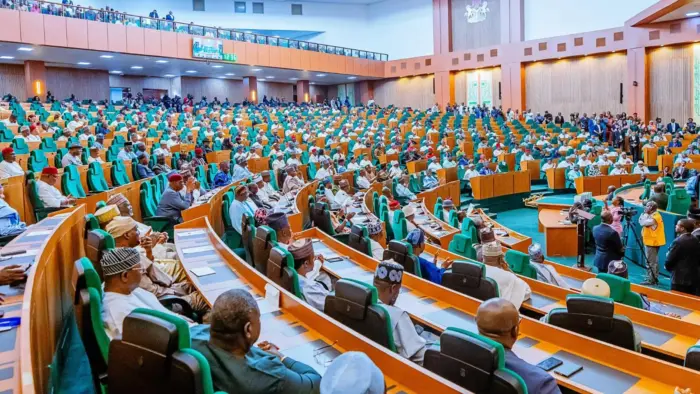
The House of Representatives has called for urgent intervention to address persistent traffic congestion along the Abuja-Kaduna Expressway and operational challenges affecting the Abuja-Kaduna railway service.
The lawmakers warned that the situation had exposed commuters to prolonged delays, financial losses and security threats, while disrupting the movement of goods and essential commodities along the strategic corridor.
The resolution followed the adoption of a motion sponsored by Hon. Umar Ajilo during Thursday’s plenary session.
Leading the debate, Ajilo attributed the worsening traffic congestion to poorly coordinated construction activities, narrowed carriageways, inadequate diversion routes, indiscriminate parking by articulated vehicles and poorly managed security checkpoints.
He noted that thousands of motorists, commercial transport operators and freight vehicles conveying agricultural produce and other essential commodities routinely spent several hours on the highway.
According to him, the situation had resulted in economic losses, spoilage of perishable goods and medical emergencies, while prolonged traffic delays had increased commuters’ vulnerability to criminal activities, including highway banditry.
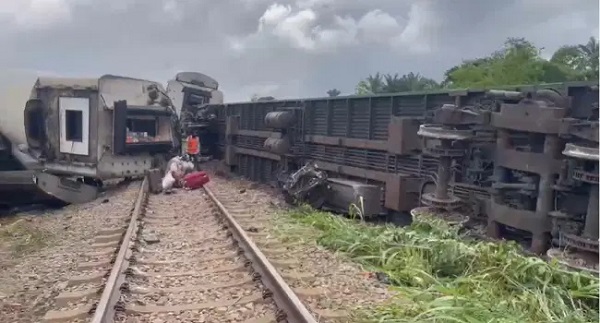
The lawmaker also raised concerns over the declining efficiency of the Abuja-Kaduna railway service, citing reduced daily passenger trips, frequent disruptions to train schedules and shortcomings in the ticketing system.
He particularly faulted the online booking process, alleged ticket racketeering and artificial scarcity, which he said had forced passengers to patronise black-market sellers charging exorbitant fares.
Ajilo argued that the railway service, which should provide a reliable alternative to road transportation, was failing to meet growing passenger demand and ease pressure on the expressway.
Describing the Abuja-Kaduna corridor as a critical economic and social link connecting the Federal Capital Territory with Kaduna State and other parts of the country, he stressed that the disruption of movement along the route had wider implications for economic activities and public safety.
Citing Section 14(2)(b) of the 1999 Constitution, as amended, the lawmaker maintained that the security and welfare of citizens remained the primary responsibility of government.
Consequently, the House urged the Federal Ministry of Works and contractors handling the Abuja-Kaduna-Zaria-Kano road project to introduce effective traffic management measures, construct motorable bypasses and diversion routes around construction zones, and accelerate work on critical sections responsible for traffic bottlenecks.
It also called on the Federal Road Safety Corps (FRSC) and the Nigeria Police Force to establish a joint rapid-response traffic task force along the expressway.
The proposed task force is expected to remove broken-down vehicles, enforce lane discipline and streamline security checkpoints to minimise avoidable congestion.
On railway operations, the lawmakers urged the Federal Ministry of Transportation and the Nigerian Railway Corporation (NRC) to increase daily train services along the Abuja-Kaduna route, deploy additional coaches and improve operational reliability.
To ensure compliance, the House mandated its joint committees on Works, Land Transport and FRSC to conduct an inspection of the expressway and railway terminals.
The committees were also directed to summon the relevant ministers and managing directors of affected agencies to explain the challenges and present measures being taken to address them.
The House gave the committees two weeks to submit their findings and recommendations for further legislative action.