Tinubu’s Aides Highlight Road Projects Across Six Geopolitical Zones
Presidential aides have outlined ongoing road construction and rehabilitation projects across Nigeria’s six geopolitical zones, urging Nigerians to support the infrastructure development agenda of President Bola Tinubu’s administration ahead of the 2027 general elections.
The aides made this known during a media briefing at the Presidential Villa, Abuja, where they highlighted projects designed to improve connectivity, boost economic activities, create employment opportunities and address longstanding infrastructure deficits across the country.
The officials, who serve as Senior Special Assistants to the President on Community Engagement in their respective geopolitical zones, are Abiodun Essiet, Abdullahi Tanko Yakassai, Abdulhameed Abba, Gift Johnbull, Barrister Chioma Nweze and Moremi Ojudu.
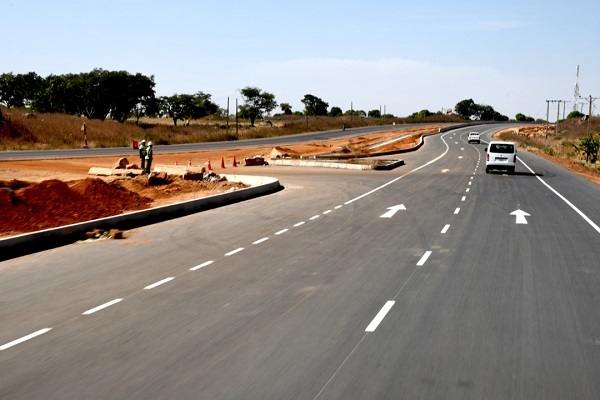
Speaking on developments in the North-Central, Essiet highlighted several ongoing road projects, including the Abuja–Lokoja Road. She disclosed that about 1,200 projects were ongoing across the region and noted that the President had approved a 78-kilometre road project in Kogi State.
She also drew attention to a road project whose contract was reportedly first awarded about 46 years ago, explaining that the ongoing construction was being executed with reinforced concrete pavement to improve durability and withstand heavy-duty traffic.
According to her, feedback from communities across the region was being communicated to the President and the Federal Executive Council to ensure that residents’ concerns received appropriate government attention.
In the North-West, Yakassai identified major road and railway projects expected to strengthen transportation and commercial activities. These include the Abuja–Kaduna Road, Kano–Kaduna Road and the Sokoto–Badagry Superhighway.
He also highlighted the Kaduna–Kano railway project, noting its potential to improve transportation links and support economic development across the region.
For the North-East, Abba highlighted road infrastructure initiatives aimed at connecting communities with major commercial centres. Among the projects mentioned was the proposed Akwanga–Bauchi–Gombe–Biu–Maiduguri Superhighway, which is expected to improve movement across the region and neighbouring areas.
The aides maintained that improved road networks would ease transportation challenges, facilitate the movement of agricultural produce and strengthen trade between states.
In the South-South, Johnbull identified the East–West Road, Lagos–Calabar Coastal Highway and Benin–Agbor Road as key infrastructure projects expected to improve connectivity and support business activities.
She stressed the importance of completing critical road projects to enhance access to communities and commercial centres, adding that sustained investment in transportation infrastructure would contribute to regional economic growth.
Similarly, Nweze highlighted major road projects in the South-East, including the Enugu–Onitsha Road and Enugu–Port Harcourt Road, which are expected to improve transportation links within the region and with other parts of the country.
She said infrastructure development could stimulate economic growth, generate employment and provide young Nigerians with opportunities to acquire technical skills through participation in construction activities.
Nweze further linked infrastructure investments to the Federal Government’s broader economic reform agenda, arguing that improved road networks and public infrastructure could enhance productivity and create a more enabling environment for businesses.
In the South-West, Ojudu identified the Apapa–Oworonshoki–Ojota–Oshodi Expressway, Lagos–Ibadan Expressway and Lagos–Calabar Coastal Highway as major projects expected to ease transportation and facilitate the movement of goods and services.
The presidential aides maintained that road construction and rehabilitation remained central to the administration’s infrastructure agenda, particularly in connecting urban centres, rural communities and economic hubs.
They argued that sustained investment in transportation infrastructure would help address longstanding mobility challenges, strengthen commercial relationships between regions and establish a foundation for long-term economic development.
The briefing was part of the administration’s community engagement and public sensitisation efforts to communicate government policies, programmes and ongoing projects to Nigerians.
The aides called on citizens to support the administration’s development agenda as the country prepares for the 2027 general elections.