High Fares Drive Commuters Away From Lagos Water Transport
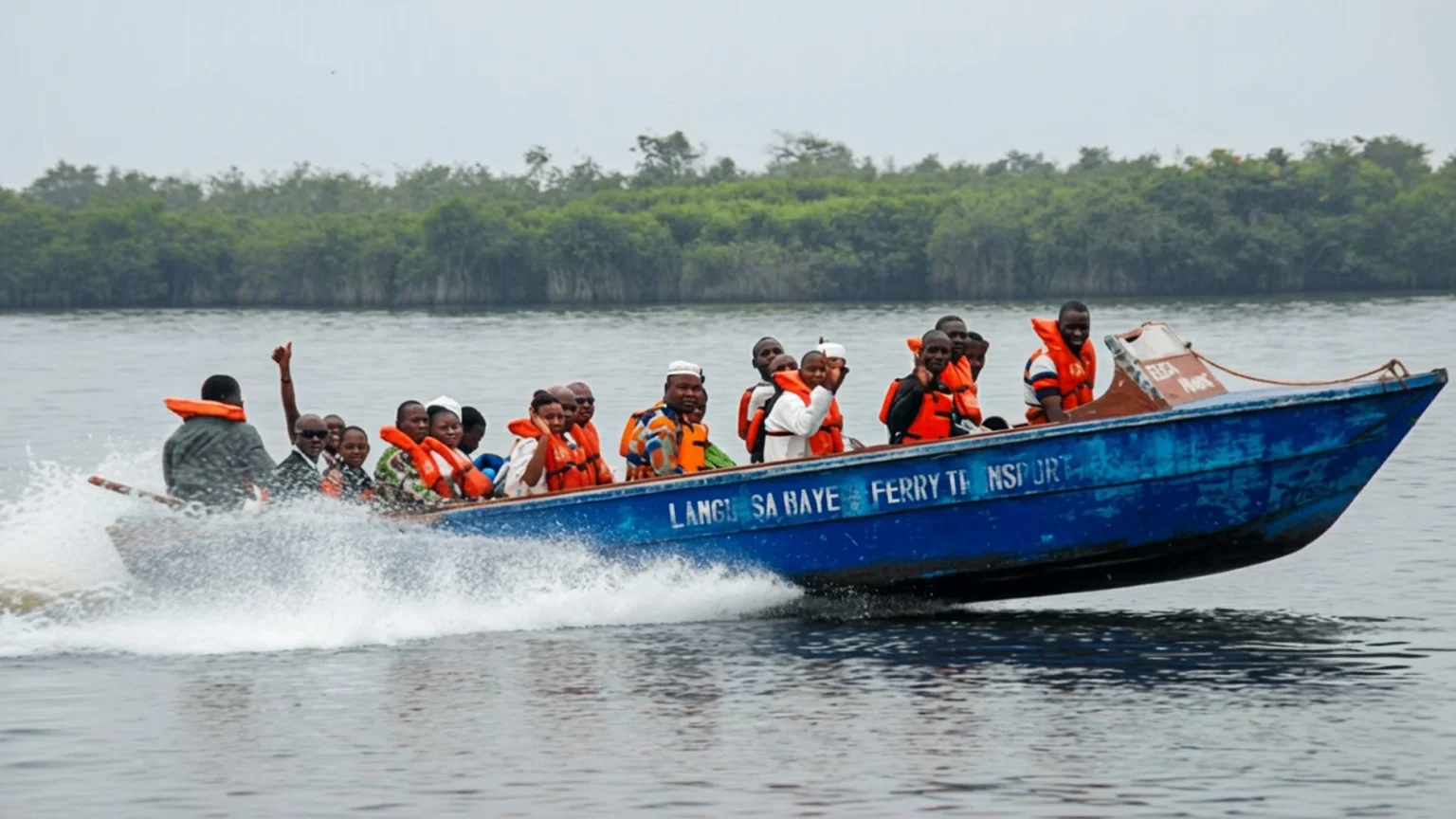
Boat operators in Lagos have raised concerns over declining passenger patronage, blaming rising fuel prices, increasing operational costs and high fares for forcing commuters to abandon waterways in favour of cheaper road and rail alternatives.
The operators warned that the situation was threatening the survival of water transport businesses, with some services becoming inactive and others operating less frequently due to reduced demand.
According to the operators, the growing cost of water transportation has made it difficult to compete with alternative means of transportation, particularly on routes where improved road infrastructure and rail services offer more affordable options.
Data from the National Bureau of Statistics (NBS) Transport Fare Watch showed that waterway passenger fares increased by 30.88 per cent year-on-year, with the average fare rising from N1,739.32 in May 2025 to N2,276.48 in May 2026.
The Secretary of the Association of Tourist Boat Operators and Water Transporters of Nigeria (ATBOWATON), Lagos Chapter, Ayomikun Aworetan, said the disparity in fares had placed water transport operators under increasing financial pressure.
Aworetan cited the CMS-Badagry route as an example, explaining that commuters could travel by train from CMS to Mile 2 for about N1,000 and spend approximately N2,000 on the connecting road journey to Badagry.
In contrast, he said a boat trip from CMS to Badagry cost about N7,000, making road and rail transportation significantly cheaper for passengers.
He noted that while some commuters continued to rely on waterways to avoid traffic congestion, many others were increasingly choosing road transportation because of improved infrastructure and lower fares.
However, Aworetan identified the Ikorodu corridor as one of the routes where water transportation remained essential, given the persistent traffic congestion and limited road alternatives.
According to him, passengers travelling by boat from Ikorodu to Victoria Island could complete the journey in about 30 minutes, compared with the longer road journey through Fadeyi, Costain and CMS.
He said the time-saving advantage continued to attract workers and business owners who depended on the route for their daily activities.
Similarly, the Secretary of the Maritime Workers Union of Nigeria (MWUN), Liverpool Boat Unit, Stephen Ayodeji, attributed the decline in patronage to rising fuel prices, which have increased operating expenses and forced operators to raise fares.
Ayodeji disclosed that services along the Liverpool-Badagry and Liverpool-Agbara routes had become largely inactive following improvements to the roads connecting the areas.
He said regular boat services from Liverpool to Badagry had been suspended for about 10 months as passengers increasingly opted for cheaper road transportation.
He added that private boat services from Liverpool to CMS were no longer operating regularly, while trips to Ikorodu had also become less frequent.
The operators warned that without urgent intervention, the rising cost of running boats could push more businesses out of the sector, reduce employment opportunities and further weaken water transportation in Lagos.
They therefore called on the government to introduce subsidies to cushion the impact of rising fuel costs, reduce passenger fares and encourage commuters to return to waterways.
According to them, targeted government support would help operators remain competitive, sustain their businesses and improve the affordability of water transportation for residents.
They stressed that making waterways more accessible and affordable would be crucial to sustaining the sector, particularly in a state where road congestion continues to pose significant challenges to daily commuting.