
FAA Deploys Artificial Intelligence Tool To Predict, Prevent Runway Safety Risks
The United States Federal Aviation Administration (FAA) has begun using artificial intelligence (AI) technology to improve runway safety by identifying potential risks and preventing aviation incidents before they occur.
The agency has partnered with technology firm Palantir to deploy an AI platform known as Foundry, which analyses large volumes of aviation data to detect safety patterns, emerging threats and possible operational challenges at airports.
An FAA safety management official said the technology is designed to transform the agency’s approach from responding to incidents after they happen to proactively identifying risks before they escalate.
According to the official, the platform integrates previously scattered safety information from multiple government sources, including incident reports, aircraft tracking data, weather reports, radar information, National Transportation Safety Board (NTSB) findings and other aviation records.
“This data has always been there, but it was previously stored in separate systems and analysed by different divisions,” the official said.
The FAA said the AI platform serves as a central system for combining safety datasets, allowing analysts to identify airports and operations showing unusual trends or increased risk levels.
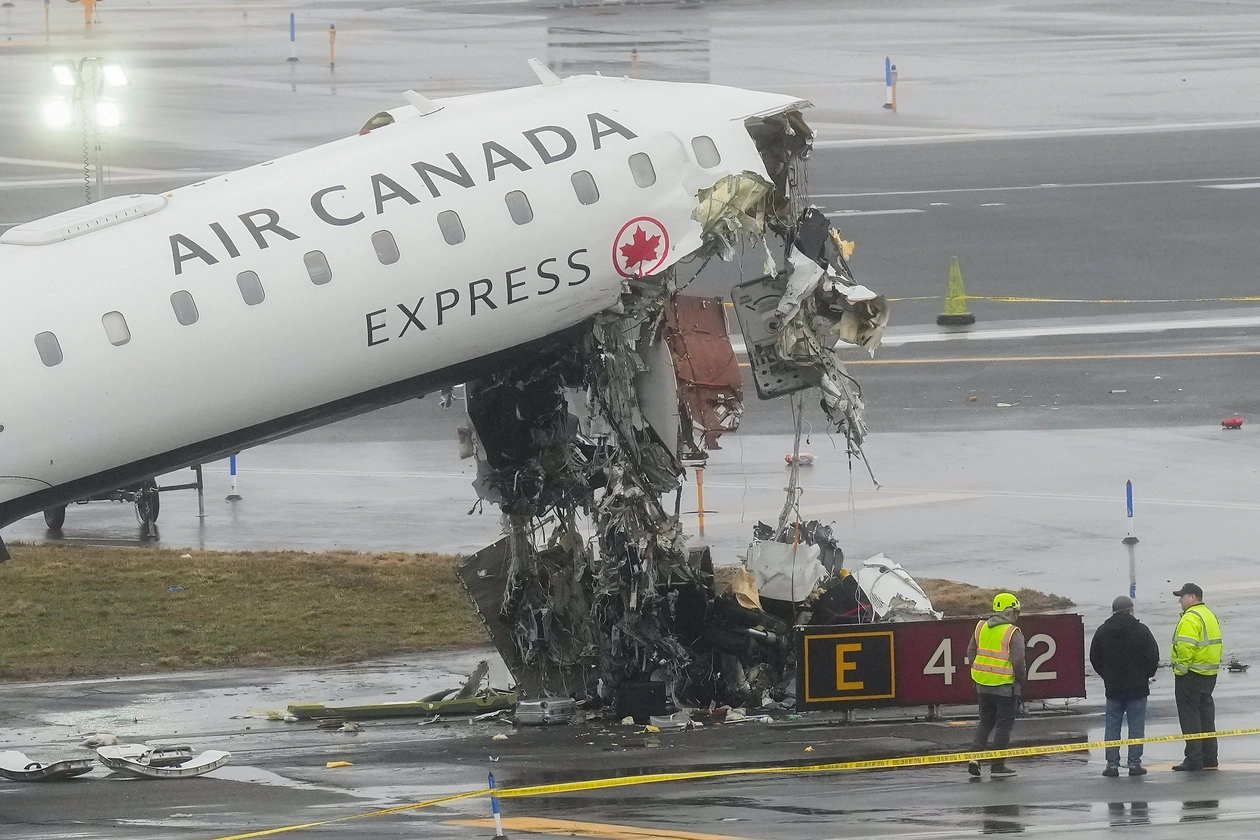
The initiative follows renewed concerns over runway safety after a fatal collision involving an Air Canada aircraft and an emergency vehicle at New York’s LaGuardia Airport earlier this year, which killed two pilots and injured several others.
However, officials acknowledged that the AI system would not have prevented the LaGuardia accident because the incident involved a complex combination of factors rather than a recurring safety pattern.
The FAA explained that the technology is primarily designed to detect long-term trends and repeated risks, rather than predict isolated events involving multiple unexpected failures.
The agency has already used insights from the AI platform to address safety concerns at San Francisco International Airport, where it identified issues linked to simultaneous parallel landings. Following the analysis, the FAA restricted the practice while reviewing long-term solutions.
Former National Transportation Safety Board Chairman Robert Sumwalt said AI could significantly improve aviation safety if properly managed, noting that the technology would help regulators gain better awareness of existing and potential risks.
He, however, cautioned against excessive reliance on artificial intelligence, stressing that human expertise would remain essential in analysing information and making safety decisions.
FAA officials said the system is continuously being improved as more data becomes available, with analysts updating the model weekly to incorporate new information and enhance its ability to identify hazards.
The agency estimates that nearly $4 million will be allocated from its fiscal 2027 budget for the project as it expands the use of AI-driven safety tools.
FAA officials said the long-term objective is to develop a system capable of moving beyond reactive and proactive safety measures toward predictive aviation risk management.
Deputy FAA Administrator Chris Rocheleau described Palantir as a valuable partner in the initiative, adding that the agency would continue refining how it uses artificial intelligence to strengthen safety across the national airspace system.