FG, Maritime Stakeholders Push For Green Port Investments Worth N450bn
The Federal Government and key stakeholders in Nigeria’s maritime sector have intensified efforts to attract investments in green port infrastructure and sustainable operations, with a proposed energy transition programme expected to mobilise more than N450 billion in public and private sector funding.
According to a policy bulletin by the Sea Empowerment and Research Centre (SEREC), the proposed Nigeria Green Port Energy Transition and Marine Biomass Utilisation Programme could create over 50,000 jobs and unlock significant economic opportunities within three to five years.
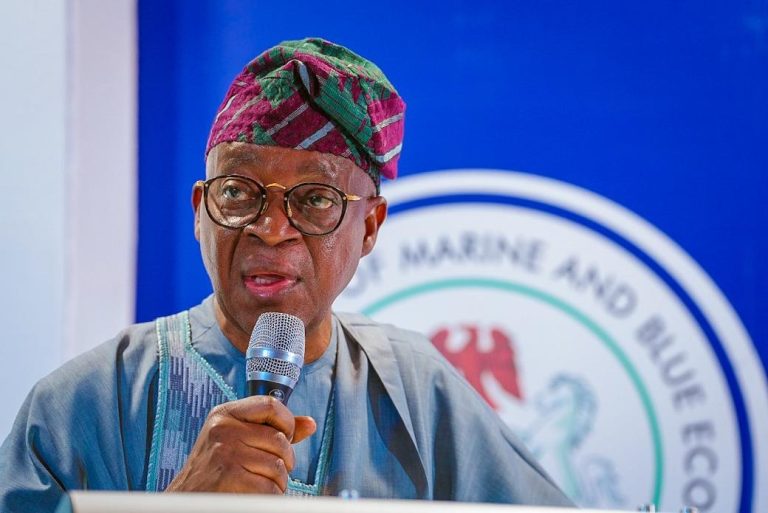
Speaking at the 2026 Dockworkers Day celebration organised by the Shipping Correspondents Association of Nigeria (SCAN) in Lagos, the Minister of Marine and Blue Economy, Adegboyega Oyetola, said sustainable port development is crucial to strengthening Nigeria’s competitiveness in global trade.
Represented by the Head of Corporate and Strategic Communications of the Nigerian Ports Authority (NPA), Ikechukwu Onyemakara, the minister said the transition to greener ports would require substantial investments in clean energy, modern waste management systems and environmentally responsible operational practices.
He stressed the need to prioritise workers’ welfare and safety during the transition, warning that the government would not tolerate employers who fail to safeguard the rights and wellbeing of dockworkers.
The Managing Director of the NPA, Abubakar Dantsoho, described dockworkers as vital to efficient port operations and trade facilitation, reaffirming the authority’s commitment to improving working conditions across the country’s ports.
Industry stakeholders also highlighted the growing influence of sustainability on global investment and trade competitiveness.
President of the Nigerian Chamber of Shipping, Aminu Umar, represented by the chamber’s Director-General, Vivian Chimezie Azubuike, urged stakeholders to incorporate renewable energy systems, smart technologies and climate-resilient infrastructure into ongoing port rehabilitation projects.
He noted that investments in human capital development would be critical to equipping Nigerian dockworkers with the skills needed for emerging green technologies and modern port operations.
Also speaking, President of the National Association of Stevedoring Operators (NASO), Bolaji Sunmola, said the International Maritime Organisation’s greenhouse gas reduction targets present both challenges and opportunities for Nigerian ports.
Sunmola noted that achieving a successful transition would require significant infrastructure upgrades while addressing operational challenges such as port congestion and labour-intensive cargo handling processes.
Meanwhile, SCAN President Moses Ebosele commended the Federal Government’s $1 billion port development programme for Apapa and Tin Can Island ports, describing it as a major step towards modernising Nigeria’s maritime infrastructure and supporting sustainable growth in the sector.