


Iran, Oman Disagree Over IMO-Backed Plan To Evacuate Ships From Gulf Amid Rising Tensions
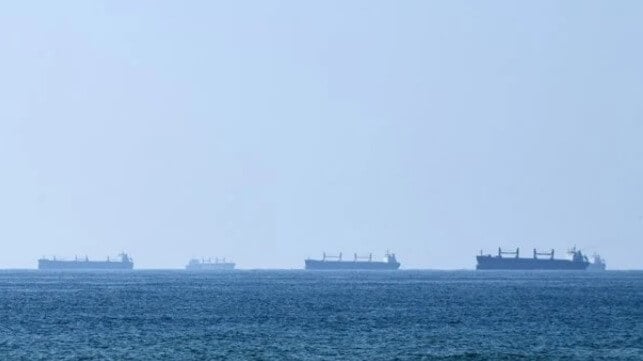
Tensions have emerged between Iran and Oman over an International Maritime Organisation (IMO)-supported plan aimed at facilitating the safe exit of ships stranded in the Persian Gulf amid heightened regional security concerns.
The disagreement surfaced as the first vessels participating in the coordinated evacuation arrangement successfully navigated through an Omani-designated coastal route and moved towards the Gulf of Oman.
The vessels involved were the Liberian-flagged 274-metre Suezmax crude tanker Stoic Warrior and the Panama-flagged 160-metre chemical tanker Ginga Puma. Both ships had their Automatic Identification System (AIS) signals active during the passage.
Maritime tracking data showed that several other tankers were also beginning to move through the Gulf, with some following the Omani coastal channel while others used alternative routes, including Iran’s designated northern passage around Larak Island.
However, the development has exposed disagreements between Tehran and Muscat over which transit arrangement should guide vessel movements.
The Islamic Revolutionary Guard Corps (IRGC) Navy reportedly rejected the IMO-Oman coordinated route, stating that vessels should only use the transit system established by the Persian Gulf Strait Authority (PGSA).
In a statement issued on June 25, the IRGC Navy warned ships to coordinate their movements through the PGSA framework and maintain communication with Iranian naval authorities on Channel 16.
The move has raised concerns among maritime observers that Iran and Oman may no longer be fully aligned on the arrangements designed to manage shipping movements through one of the world’s most important maritime chokepoints.
The IMO-backed plan was intended to provide a controlled pathway for vessels trapped in the Gulf, following a period of increased regional tensions and disruptions affecting maritime traffic.
Despite the disagreement, some Gulf states have expressed support for the initiative. Bahrain’s Foreign Minister, Abdullatif Al Zayani, indicated approval of the Omani-IMO arrangement, while the United Arab Emirates also reiterated the need to protect freedom of navigation in the Strait of Hormuz.
Analysts warned that any escalation, including interference with vessels using the approved routes, could further complicate ongoing diplomatic efforts aimed at reducing tensions in the region.
The Strait of Hormuz remains a critical global shipping route, through which a significant portion of the world’s oil supply passes, making maritime stability in the area a major concern for energy markets and international trade.

