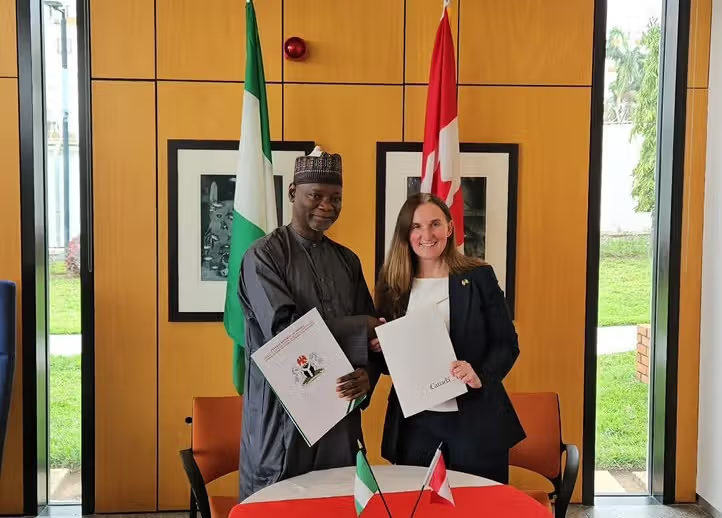
NAMA Seeks Larger Share Of Aviation Revenue To Strengthen Airspace Safety
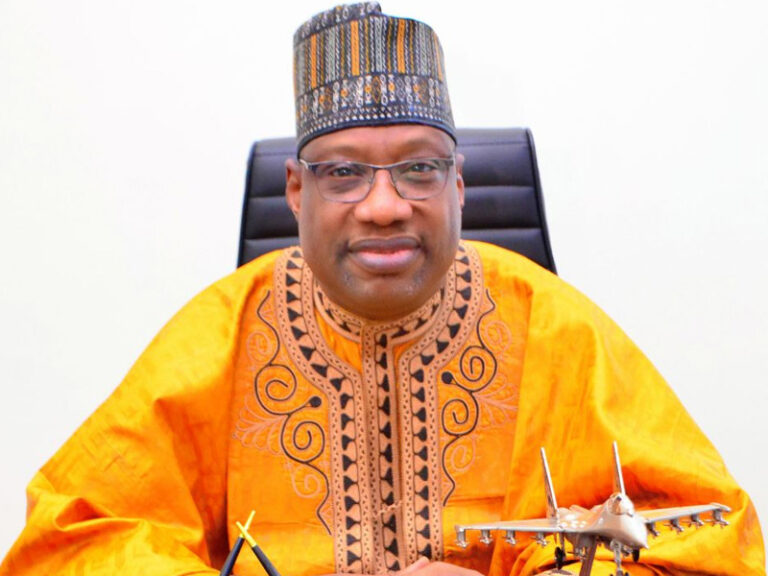
The Nigerian Airspace Management Agency (NAMA) has urged the National Assembly to increase its share of the statutory five per cent aviation revenue pool from 22 per cent to 56 per cent, citing the growing cost of maintaining critical air navigation infrastructure across the country.
The agency’s Managing Director, Farouk Umar, made the request on Thursday during a public hearing organised by the House of Representatives Committee on Aviation on proposed amendments to aviation laws.
Umar said the current revenue-sharing formula no longer reflects NAMA’s expanding responsibilities or the financial demands of ensuring safe and efficient air navigation services.
He explained that the proposed increase would not result in higher ticket sales charges for passengers but would instead redistribute the existing five per cent aviation revenue in favour of the agency responsible for managing Nigeria’s airspace infrastructure.
According to him, NAMA plays a central role in flight operations long before an aircraft takes off, including processing flight plans, maintaining navigation aids, providing surveillance services, ensuring reliable communication systems, and deploying air traffic controllers and technical personnel.
Umar noted that the agency’s operational costs have risen significantly over the years. He disclosed that NAMA recorded expenditure exceeding N43 billion in 2023, comprising about N21 billion for personnel costs, over N12 billion for capital projects, and more than N10 billion in overhead expenses.
He added that despite increasing costs associated with fuel, electricity, foreign exchange, imported equipment, software licences and specialised training, the agency has continued to operate with a navigation charge of N11,000 per flight, a tariff that has remained unchanged since June 2008.
The managing director also stressed the need for urgent investment in modernising the Total Radar Coverage of Nigeria (TRACON) system, warning that ageing surveillance infrastructure and growing cybersecurity threats require sustained funding for advanced technologies such as satellite-enabled surveillance, digital aeronautical information systems and integrated flight-data management.
In addition, Umar appealed to lawmakers to recognise obstacle assessment and WGS-84 aeronautical surveys as chargeable technical services provided by the agency. He also called for harmonisation of existing aviation laws, noting discrepancies between the Civil Aviation Act, which allocates 22 per cent of the revenue to NAMA, and the NAMA Act, which provides for 23 per cent.
To assure stakeholders of accountability, Umar pledged that the agency would strengthen transparency through automated revenue collection, quarterly disclosures of receipts and projects, annual independent audits, and measurable performance indicators if its allocation is increased.
Also speaking at the hearing, the African Aviation and Aerospace University (AAAU), Abuja, requested inclusion among the statutory beneficiaries of the five per cent ticket sales charge. The institution proposed that at least 10 per cent of the revenue be allocated to support aviation manpower development.
The Acting Vice-Chancellor of the university, Mustapha Abdullahi, said the institution was established to develop skilled aviation professionals and should receive statutory funding to ensure long-term sustainability.
Earlier, Speaker of the House of Representatives, Abbas Tajudeen, reaffirmed the commitment of the 10th National Assembly to strengthening the financial framework of the aviation sector and enhancing the capacity of aviation agencies to maintain the safety and security of Nigeria’s airspace.