Oyetola: Maritime Agencies’ Revenue Rises 160% To ₦1.83tn
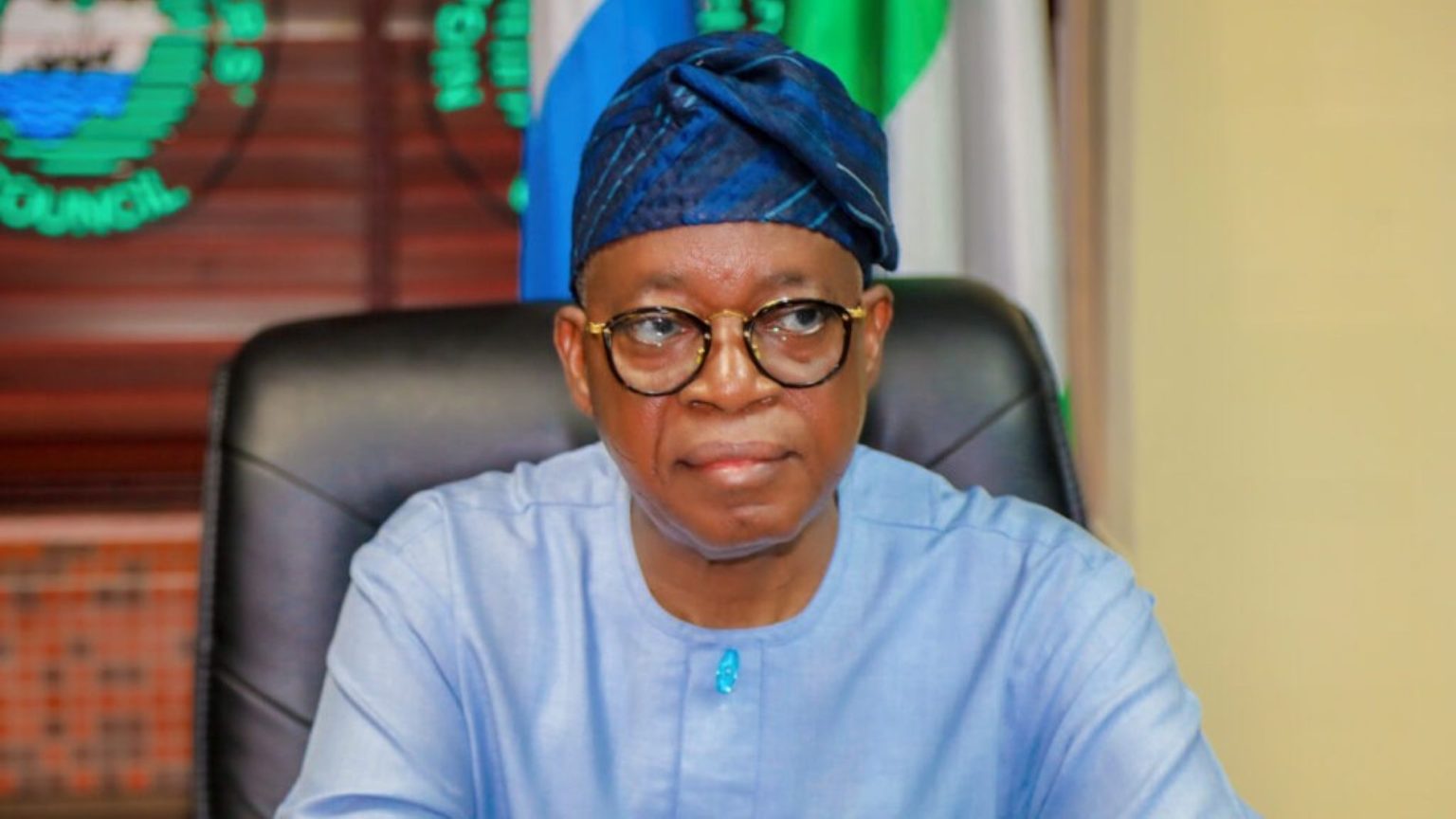
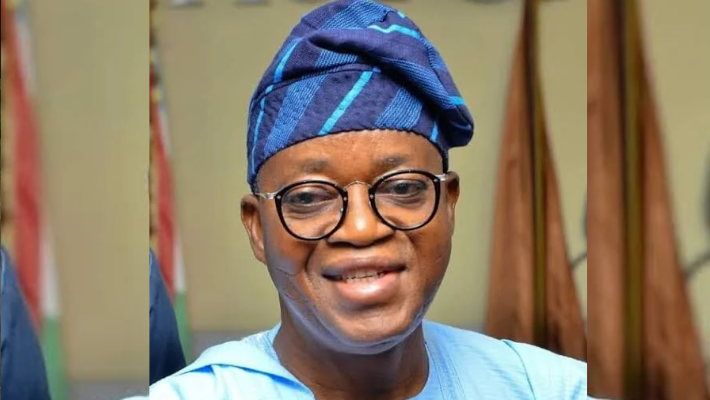
The Minister of Marine and Blue Economy, Adegboyega Oyetola, has said ongoing reforms in Nigeria’s maritime sector have driven revenue generated by agencies under the ministry to a record ₦1.83 trillion in 2025.
Oyetola disclosed this while presenting the ministry’s three-year scorecard, highlighting key reforms and interventions implemented since the establishment of the Federal Ministry of Marine and Blue Economy in August 2023.
According to him, the 2025 revenue represents a 160 per cent increase from the ₦700.79 billion generated by the agencies in 2023.
He attributed the growth to regulatory reforms, improved revenue assurance, digitisation and measures introduced to block financial leakages across the maritime sector.
Oyetola said the reforms had delivered improvements in port infrastructure, maritime security, regulation, indigenous shipping, human-capital development, fisheries and inland-waterway safety.
He said the Federal Government was leveraging Nigeria’s 853-kilometre coastline and extensive inland waterways to make the marine and blue economy a major driver of revenue, trade, investment, security and employment.
The minister identified the approval of Nigeria’s first National Policy on Marine and Blue Economy in May 2025 as one of the major achievements of the administration.
He explained that the policy provided a unified framework for shipping, fisheries, offshore energy, marine biotechnology and other emerging opportunities, while creating greater certainty for private-sector investment.
On port development, Oyetola said modernisation projects were ongoing at Apapa, Tin Can Island, Onne, Rivers, Calabar and Warri ports.
He said the projects covered channel improvements, modern cargo-handling infrastructure and increased digitisation of terminal operations to improve efficiency and boost the capacity of Nigerian ports to handle international trade.
The minister added that the World Bank and S&P Global Market Intelligence had ranked Tin Can Island Port 10th and Lagos Port Complex, Apapa, 12th among the world’s 20 most improved container ports between 2020 and 2025.
He said measures such as the electronic truck call-up system, dedicated holding bays and expanded inland barging had also helped reduce congestion around the Apapa port environment.
According to him, the Nigerian Ports Authority’s acquisition of modern tugboats, pilot cutters and dredging equipment had further strengthened port operations.
Oyetola said the government was also pursuing additional deep-seaport projects in Akwa Ibom, Cross River, Bayelsa, Ondo, Lagos and Rivers states.
He disclosed that the operationalisation of inland dry ports, including the Funtua Inland Dry Port in Katsina State, was aimed at bringing cargo-handling and clearance services closer to businesses in the hinterland while reducing pressure on coastal ports.
The minister said regulatory reforms had also saved port users more than ₦86 billion in unjustified demurrage, while nearly 300 commercial disputes had been resolved through Alternative Dispute Resolution.
He said the government had introduced measures to eliminate unauthorised shipping charges and strengthen freight and foreign-exchange verification to reduce leakages and curb capital flight.
Oyetola also highlighted improvements in maritime security, saying Nigeria had recorded zero piracy in its territorial waters for four consecutive years, supported by assets deployed under the Deep Blue Project.
He said the achievement had eliminated piracy-related surcharges on vessels calling at Nigerian ports and enhanced Nigeria’s reputation as a safer maritime corridor.
The minister further noted Nigeria’s return to the International Maritime Organization’s Category C Council in November 2025 after a 14-year absence.
He added that Nigeria, through the Nigerian Maritime Administration and Safety Agency, secured the lifting of the 12-year United States Coast Guard Condition of Entry restrictions affecting vessels arriving from Nigerian ports.
Oyetola said the Federal Government was also working to increase Nigerian participation in the maritime value chain, disclosing that plans to revive a national shipping carrier through a public-private partnership were at an advanced stage.
He said the process for disbursing the Cabotage Vessel Financing Fund had also commenced, adding that the initiative would support Nigerian shipowners in acquiring modern vessels and strengthening indigenous capacity.
According to him, expanded seafarer training and sea-time placements had increased opportunities for Nigerians seeking careers in the maritime industry, contributing to an over 80 per cent rise in average seafarer earnings.
Oyetola said the ministry had also facilitated a ₦200,000 monthly minimum wage for maritime and shipping workers.
Beyond the ports, he said the ministry had expanded interventions in fisheries, inland waterways, marine safety and environmental sustainability.
He said the fisheries sector recorded 1.4 million metric tonnes of fish production in 2025, while Nigeria achieved full compliance with Turtle Excluder Device requirements among inspected commercial shrimp trawlers.
On inland waterways, the minister said safety measures included the distribution of thousands of lifejackets and plans to replace unsafe wooden boats with modern fibreglass vessels.
He added that the ministry had streamlined marine logistics in support of the Federal Government’s Naira-for-Crude policy and domestic refining.
Oyetola said institutional reforms had also been prioritised, with the ministry digitising its internal operations through an Enterprise Content Management System to improve transparency, efficiency and accountability.
He further disclosed that the ministry had helped resolve a 16-year impasse that paved the way for the operationalisation of the Regional Maritime Development Bank in Nigeria.
According to him, the development would improve access to financing for businesses and projects across the maritime value chain.
Oyetola said the achievements recorded over the past three years represented a foundation for expanding Nigeria’s marine and blue economy.
He said the ultimate goal was to build an efficient maritime ecosystem in which improved ports support trade, stronger security attracts shipping, Nigerian businesses capture a greater share of the maritime value chain, and coastal and inland communities benefit from new economic opportunities while marine resources are sustainably managed.