Technology, Collaboration Key To Unlocking Efficiency In Nigeria’s Haulage Industry — Experts
OLORUNDARE ENIMOLA, Lagos
Stakeholders in Nigeria’s freight and logistics sector have called for deeper collaboration, wider adoption of digital technologies and stronger operational systems to improve efficiency, reduce costs and strengthen the country’s supply chain.
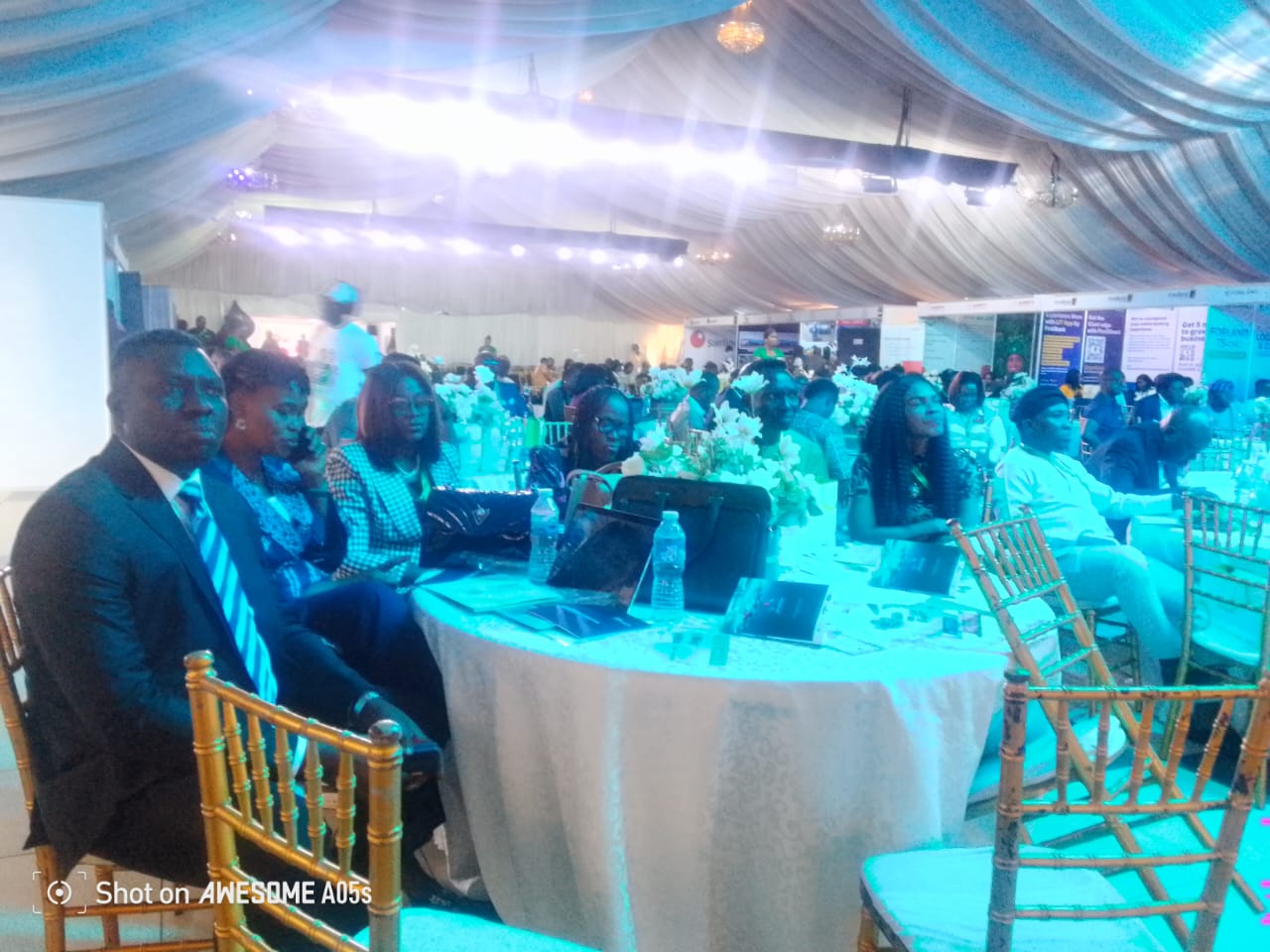
The call was made at the HAULMACE 2026 Conference, held at The Stable Event Centre, Surulere, Lagos, under the theme, “Technology as an Enabler for More Efficient Haulage Operators: The Need for Industry Collaboration.”
Opening the conference, Convener Alfred Okugbeni said technology alone would not transform the haulage industry unless supported by collaboration among operators, regulators, financiers and technology providers.
He described the conference as a platform for networking, knowledge sharing and building partnerships capable of improving supply chain resilience, reducing costs and enhancing industry competitiveness.
Delivering the keynote address, Jean-Claude Homawoo, Co-founder and Chief Executive Officer of Lori Systems, identified the industry’s “empty mile” challenge—where trucks return without cargo after deliveries—as one of the biggest sources of inefficiency in Nigeria’s logistics sector.
According to Homawoo, trucks often spend days searching for return loads or waiting to load and offload cargo, resulting in significant financial losses that are ultimately transferred from transporters to manufacturers and consumers through higher logistics costs.
He noted that road transport accounts for about 90 per cent of Nigeria’s freight movement, moving goods valued at approximately ₦157 trillion annually, making efficiency in the sector critical to economic growth.
Homawoo advocated greater collaboration among manufacturers, transporters, financial institutions and technology providers to improve truck utilisation, eliminate empty return trips and deploy digital documentation, artificial intelligence and interoperable technology platforms.
“The empty mile is a shared cost. So is the solution,” he said, stressing that no single company could solve the industry’s challenges alone.
During a panel discussion featuring industry leaders from Lori Systems, Dukeridges, Triple A Logistics, TruckSoft Logistics and Promasidor Nigeria Limited, participants agreed that while artificial intelligence and digital platforms offer significant opportunities, technology must be integrated with existing enterprise systems through open application programming interfaces (APIs).
The panellists also stressed the need for stronger internal governance, improved journey management, telematics, driver monitoring and safety management systems alongside wider industry collaboration.
They noted that balancing dedicated fleets with spot-market operations, improving demand forecasting and strengthening trust across the logistics value chain would significantly reduce operational costs while increasing fleet productivity.
The conference also featured a presentation by Johnson Owoeye, Co-founder and Chief Operating Officer of Sysserve Solutions Limited, who unveiled three digital products—Journey Map, Tank Payments and Tyre Hive—designed to automate logistics operations.
Owoeye said the integrated solutions provide real-time journey visibility, automated driver and vendor payments, digital proof of delivery and RFID-enabled tyre management to improve transparency, reduce paperwork and support data-driven decision-making.
He explained that customers can monitor deliveries in real time through web and mobile platforms, while artificial intelligence, geofencing and Internet of Things technologies provide live operational visibility throughout the delivery process.
Participants concluded that the future of Nigeria’s haulage industry depends on combining technology with collaboration, improved planning, effective driver management and integrated digital platforms capable of delivering greater efficiency across the logistics value chain.