FG Intensifies Port Modernisation, Multimodal Transport To Boost Investment
The Federal Government has reaffirmed its commitment to modernising Nigeria’s ports and strengthening multimodal transport systems as part of efforts to attract investment, enhance trade, and unlock the full potential of the country’s Special Economic Zones (SEZs).
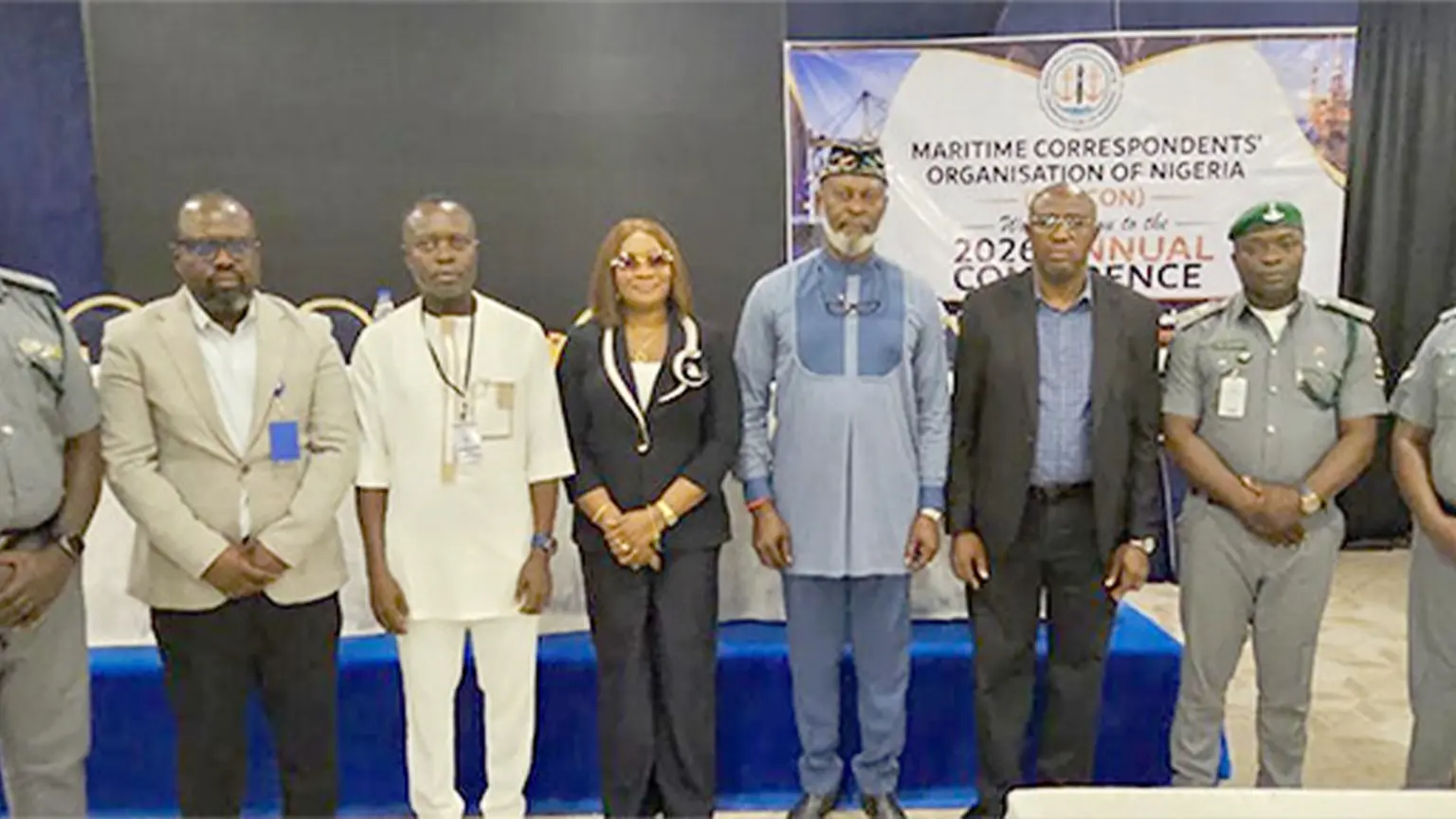
The assurance was given at the 2026 annual conference of the Maritime Correspondents’ Organisation of Nigeria (MARCON) in Rivers State, themed “Special Economic Zones as Catalysts to Sustainable Blue Economy.”
Speaking at the event, the Minister of Marine and Blue Economy, Adegboyega Oyetola, said the ongoing rehabilitation of critical port infrastructure, continuous channel maintenance, and improvements in marine operations are strategic investments designed to support expanding industrial activities, growing trade volumes, and rising investor demand within Nigeria’s SEZs.
Represented by the Ports Manager of Rivers Port Complex, Kenechi Okezie, the minister described efficient and modern port infrastructure as essential to achieving the Federal Government’s vision of building a sustainable and globally competitive maritime economy.
He also called for stronger collaboration with stakeholders to accelerate ongoing port modernisation efforts and unlock the vast opportunities within Nigeria’s maritime and blue economy sectors.
Also speaking, the Managing Director of the Nigerian Ports Authority (NPA), Dr. Abubakar Dantsoho, outlined the Authority’s strategy for improving port efficiency through infrastructure renewal, technological innovation, multimodal transport connectivity, private sector participation, and operational excellence.
Represented at the conference by the Port Manager, Dantsoho said the NPA remains committed to rehabilitating ageing port infrastructure, maintaining navigable channels through continuous dredging, upgrading port facilities, and improving marine operations to accommodate larger vessels while reducing turnaround time and the cost of doing business.
He noted that investors increasingly consider logistics costs, cargo clearance efficiency, turnaround time, and operational reliability before making investment decisions, particularly in Special Economic Zones.
According to him, improving efficiency at the nation’s ports will strengthen supply chains, reduce logistics costs, and enhance Nigeria’s competitiveness as an investment destination.
Dantsoho further stressed that efficient cargo evacuation beyond the ports is critical, adding that integrated transport systems linking seaports to roads, railways, inland waterways, industrial clusters, and Inland Dry Ports (IDPs) are vital for optimising logistics and decongesting seaports.
He cited countries such as Singapore, Rotterdam, Shanghai, and Dubai as examples of economies that achieved global competitiveness through sustained investments in transport and logistics infrastructure.
The Managing Director of the Oil and Gas Free Zones Authority (OGFZA), Bamang Jada, represented by his Technical Adviser on Free Zones Development, Iniobong Jackson, highlighted the contribution of Special Economic Zones to Nigeria’s blue economy.
He said the Authority’s offshore facilities continue to support safe maritime operations and energy exports while attracting local and foreign investments, creating jobs, facilitating technology transfer, and strengthening indigenous capacity in marine support services, engineering, fabrication, logistics, and vessel maintenance.
Jada added that the regulatory framework has improved port efficiency, reduced operational bottlenecks, and enhanced local content development across the sector.
Similarly, the National Public Relations Officer of the Nigeria Customs Service (NCS), Dr. Abdullahi Maiwada, represented by Chief Superintendent of Customs Emmanuel Tangwa, described Special Economic Zones as globally recognised drivers of industrialisation, investment, manufacturing, and export growth.
He said Nigeria is well-positioned to maximise these opportunities through its seaports, inland waterways, export processing zones, and free trade zones, urging stakeholders to leverage the country’s maritime assets to accelerate sustainable economic development.