FG Unveils Road Transport Reform Initiative To Boost GDP Contribution GDP Contribution
The Federal Government has launched an initiative to transform Nigeria’s road transport sector, improve safety and efficiency, and increase its contribution to the national economy.
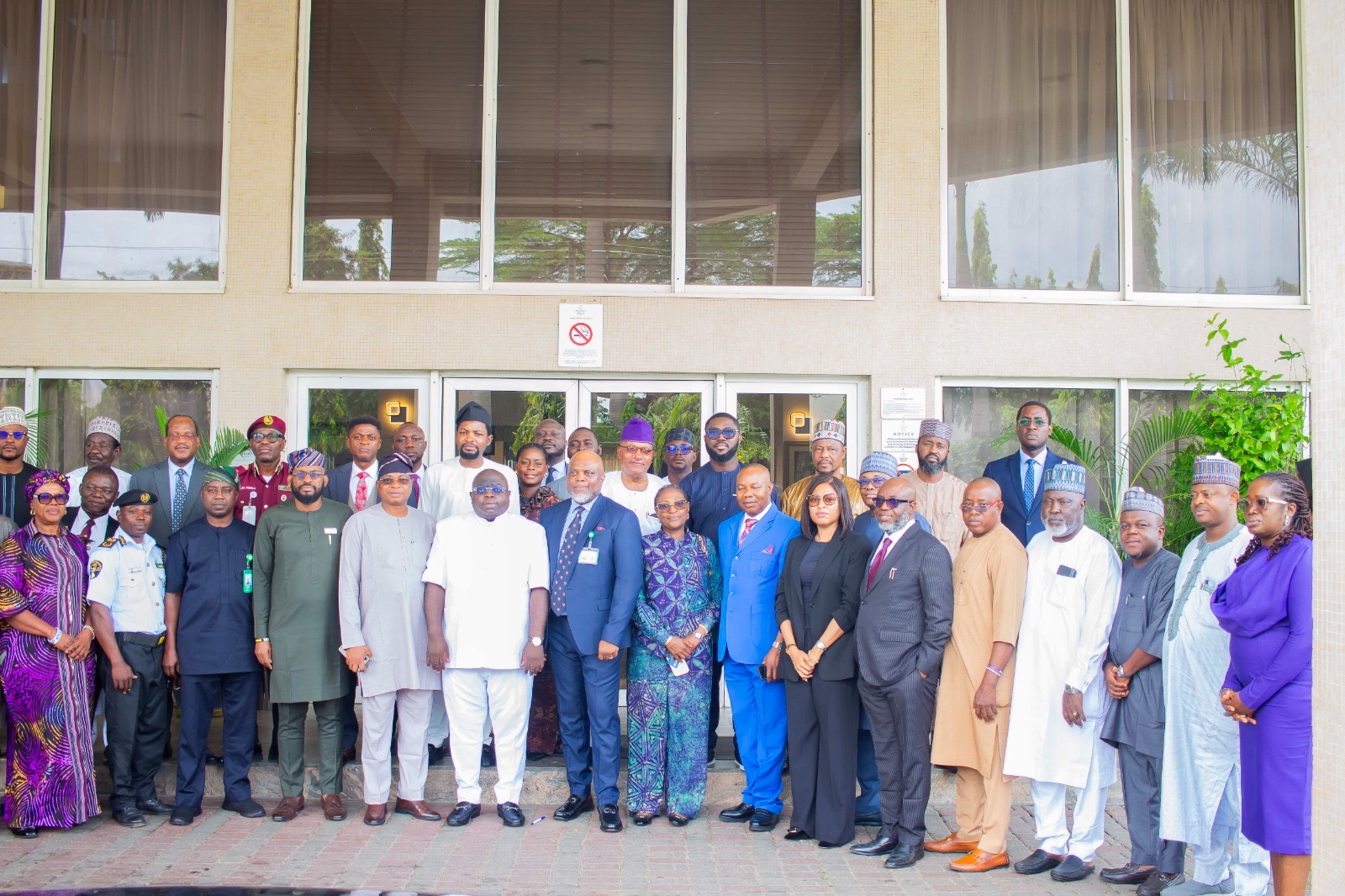
The Initiative on Road Transport Transformation was unveiled during a high-level stakeholder meeting convened by the Office of the Vice President in Abuja on Monday. The meeting brought together representatives of federal ministries, regulatory agencies, transport unions, financial institutions and development partners.
The initiative seeks to address longstanding challenges in the sector, which handles more than 90 per cent of passenger and freight movement in the country but contributes only 1.56 per cent to the nation’s Gross Domestic Product (GDP) through the transport and storage sector.
Speaking at the meeting, the Special Adviser to the President on Economic Affairs, Dr Tope Fasua, who represented Vice President Kashim Shettima, outlined five key priorities for the proposed reform.
They include improving road safety and professional driver development, deploying digital systems for vehicles, drivers and infrastructure, modernising the national road network, strengthening private-sector participation and enhancing coordination among the federal, state and local governments.
Fasua said the administration of President Bola Tinubu intended to transform the challenges confronting the road transport sector into opportunities for economic growth through infrastructure development, institutional reforms, digital innovation and the adoption of cleaner energy.
Also speaking, the Technical Adviser on Transportation, Logistics and Innovation, Prince Segun Obayendo, highlighted the need for comprehensive reforms to formalise and modernise Nigeria’s road transport industry.
Obayendo observed that countries such as Germany, France and the United Kingdom had formalised their transport sectors as far back as the 1930s, noting that Nigeria still had significant ground to cover in developing an efficient transport system.
He explained that the National Road Safety Advisory Council, chaired by Vice President Shettima, would oversee the initiative without the establishment of a new government agency.
According to him, existing personnel at the state and local government levels would serve as desk officers to support the implementation of the reform programme.
The technical adviser also advocated the provision of single-digit interest rates to support fleet renewal, warning that commercial lending rates of between 30 and 33 per cent were making it difficult for transport operators to replace ageing vehicles.
He further called for improved driver licensing procedures, stronger data management systems and increased adoption of compressed natural gas (CNG) as part of efforts to enhance safety and promote cleaner transportation.