Airport Transport Reforms May Raise Fares, Displace Drivers — TRATSEDI
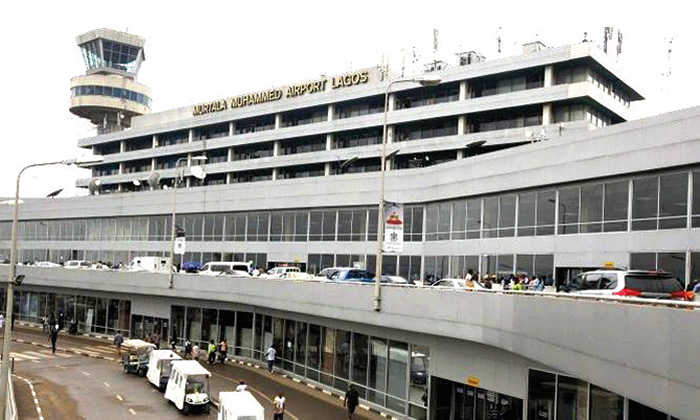
Plans to modernise ground transportation at the Murtala Muhammed International Airport (MMIA), Lagos, could lead to higher fares and the displacement of existing taxi operators if adequate measures are not introduced to support drivers during the transition, the Transformative Transport Service Design Initiative (TRATSEDI) has warned.
The warning was contained in a policy brief titled, “Modernising Airport Transport Without Leaving Drivers and Passengers Behind: Transformative Transport Service Dilemmas in Nigeria and Lessons for Global Transport Reform,” published in August 2026.
TRATSEDI, a research and engagement network focused on inclusive and user-centred transport systems, said initiatives such as the Airport Car Hire Rank Management System and vehicle-age requirements at the airport were designed to improve safety, accountability, service quality and operational order.
However, it cautioned that imposing higher standards without providing affordable ways for operators to comply could place an excessive financial burden on drivers and ultimately passengers.
According to the organisation, airport taxi operators required to replace older vehicles could face significant capital costs, potentially forcing some to take on expensive loans, sell assets, increase fares, relocate their operations or exit the market.
It said the debate should therefore go beyond vehicle age requirements to address the wider transport ecosystem, including regulation, technology, driver livelihoods, consumer welfare, competition and the cost of financing.
TRATSEDI noted that transport modernisation typically involves expenses related to vehicle replacement, digital systems, licensing, monitoring, maintenance, training and regulatory compliance.
It warned that where drivers are expected to finance more expensive vehicles without access to affordable credit, the cost of reform would effectively be transferred to service providers and consumers.
“Better transport standards do not automatically produce better transport outcomes,” the report stated, stressing that reforms should be evaluated based on their benefits, costs, who bears those costs and the ability of the transport system to adapt.
The organisation recommended measures such as vehicle leasing, affordable credit, cooperative financing, phased compliance, credit guarantees, vehicle scrappage schemes and partnerships between financial institutions and vehicle suppliers.
The report also highlighted the growing role of e-hailing platforms, including Uber and Bolt, in airport transportation.
It said digital platforms had improved passengers’ ability to compare prices, identify drivers, make cashless payments and arrange journeys before or after arriving at the airport.
According to TRATSEDI, competition between conventional airport taxis and e-hailing operators could improve fares, vehicle quality, convenience and overall passenger experience.
It, however, cautioned that digital platforms should not automatically be regarded as synonymous with transformative mobility, noting that commissions, algorithmic management and changing contractual arrangements could also transfer costs and risks to drivers.
TRATSEDI called for transparent and proportionate regulations that would allow traditional taxis and e-hailing services to compete fairly while maintaining appropriate safety, identification and operational standards.
Phased transition urged
The organisation urged authorities to develop transport policies that reflect Nigeria’s economic and institutional realities rather than simply adopting international “best practices.”
It argued that vehicle requirements that may be relatively easy to meet in countries with affordable leasing and accessible commercial credit could impose a much heavier burden in Nigeria, where vehicle prices and financing costs remain high.
TRATSEDI therefore advocated a phased and financed transition that would enable operators to meet higher standards without being immediately excluded from the industry.
It proposed the TRANSFORM Test, a framework for evaluating transport reforms across nine areas: traveller wellbeing, regulatory purpose, affordability, network competition, service-provider livelihoods, financing the transition, operational feasibility, rights and inclusion, and monitoring and adaptation.
The organisation said successful reform required shared responsibility among regulators, transport operators, passengers, e-hailing platforms, financial institutions and government.
It urged airport authorities to establish clear standards and implementation timelines, assess the potential impact on affordability and competition, consult affected stakeholders before introducing new requirements, and provide transparent enforcement and appeal mechanisms.
It also called on financial institutions to develop leasing, asset-financing and credit products that reflect the income patterns of transport operators.
Government, it said, could support the transition through guarantees, incentives and partnerships.
The report further recommended continuous monitoring of fares, waiting times, safety incidents, accessibility, passenger satisfaction, driver earnings and the number of participating transport providers.
Such data, it said, would enable authorities to adjust policies where evidence showed that reforms were producing unintended consequences.
In its conclusion, TRATSEDI maintained that Nigeria should continue to pursue safer vehicles, stronger passenger protection, cleaner transport, digital innovation and greater accountability.
It, however, stressed that the transition to those standards must be deliberately planned and financed.
For airport transport, the organisation recommended phased vehicle requirements, financing and leasing arrangements, greater emphasis on safety and roadworthiness assessments where appropriate, transparent fare structures, and clear rules for legitimate e-hailing and airport taxi services.
It also urged authorities to involve drivers and their representatives early in the reform process rather than consulting them only after key decisions had been made.
TRATSEDI said the success of airport transport modernisation should not be measured solely by vehicle age or technological sophistication, but by whether the resulting system is safe, affordable, competitive, financially achievable and inclusive.
It added that the lessons from Lagos could be applied to wider reforms involving electric mobility, informal transport, low-emission vehicles, digital payments and e-hailing regulation.