APM Terminals Calls For Port Modernisation, Stronger Public-Private Collaboration
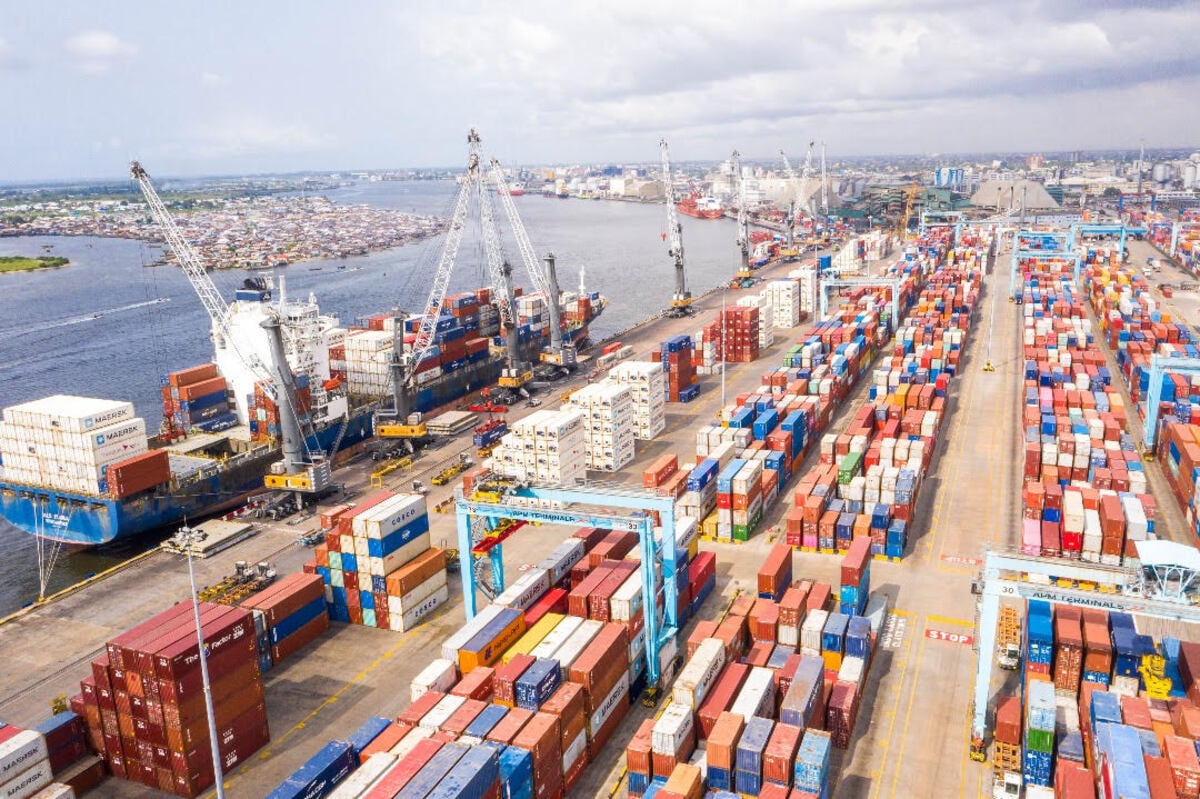
APM Terminals Nigeria has called for the modernisation of Nigeria’s port infrastructure and stronger collaboration between the government and private sector to improve operational efficiency, facilitate trade and drive economic growth.
The company made the call at the 32nd Nigerian Economic Summit (NES #32), held in Abuja from October 26 to 27, 2026, under the theme, “Growth That Works: Delivering Jobs, Productivity and Shared Prosperity.”
The summit brought together government officials, private sector leaders and other stakeholders to discuss strategies for strengthening Nigeria’s economy, improving productivity and creating sustainable economic opportunities.
Speaking at the event, Vice President Kashim Shettima, who delivered President Bola Tinubu’s address, emphasised the need to improve productivity across different sectors of the economy to translate ongoing reforms into meaningful prosperity.
He said the government remained committed to reducing regulatory bottlenecks, strengthening transparency and policy predictability, as well as expanding access to finance.
During a plenary session, Chief Executive Officer of APM Terminals Nigeria, Koen De Backker, highlighted the strategic importance of ports in facilitating international trade, creating economic value and supporting national development.
He said the company’s responsibility was to ensure the efficient movement of cargo into and out of the ports while creating wealth and prosperity for Nigerians.
De Backker identified capacity constraints as one of the major challenges confronting port operations, explaining that prolonged container dwell time within terminals limits available space and reduces the capacity to handle additional cargo.
He called for the diversification of cargo evacuation methods beyond road transportation, particularly through increased investment in rail and barge transportation.
As an example, he cited APM Terminals’ logistics centre in the Ibadan area, where export cargoes are consolidated and stuffed into containers before being transported by rail to the terminal.
According to him, such alternative transportation arrangements would improve cargo movement, ease pressure on road infrastructure and enhance port efficiency.
The APM Terminals chief executive also stressed the importance of upgrading Nigeria’s ageing port infrastructure through technology, specialised expertise and sustained investment.
He noted that private sector participation should not be viewed solely as privatisation but as an opportunity to professionalise port operations, modernise infrastructure and introduce the technical expertise required to improve service delivery.
On operational efficiency, De Backker underscored the need for stronger cooperation among government agencies, the Nigeria Customs Service, terminal operators and clearing agents.
He explained that collaboration with Customs in deploying cargo scanners had helped reduce reliance on physical examinations of containers, thereby improving efficiency and security.
According to him, the initiative contributed to reducing import container dwell time in the example discussed from 18 to 14 days, allowing cargo owners to access their goods faster while reducing associated costs.
Also speaking, Chairman of the Economic Summit Group, Olaniyi Yusuf, said the theme of NES #32 reflected the importance of ensuring that economic growth translates into tangible benefits for citizens through job creation, increased productivity, expanded opportunities and improved living standards.