


C2S+ Initiative Takes Off as GRA Foundation Distributes Free Bicycles At GTC Ikotun, Urges Broader Collaboration
OLORUNDARE ENIMOLA, Lagos
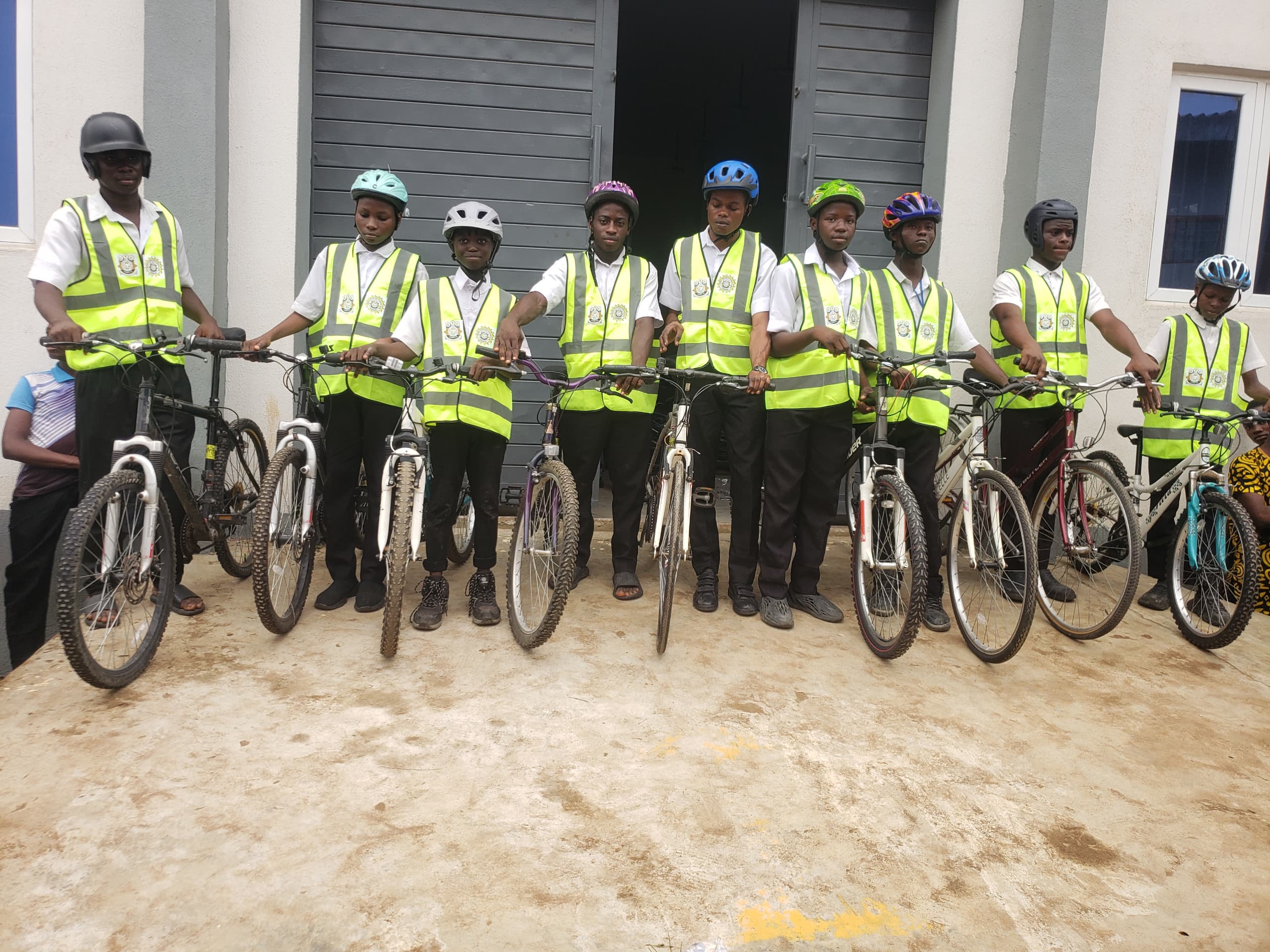
The Gabriel Rotimi Aroge Empowerment Foundation (GRAEF) has commenced the distribution of free bicycles to students of Government Technical College (GTC), Ikotun, Lagos, under its Cycle to School Plus (C2S+) initiative, aimed at easing transportation challenges for students from low-income backgrounds.
The first phase of the programme began on Friday, January 30, 2026, following the completion of eligibility and safety requirements. The initiative seeks to improve access to education by reducing the daily commuting burden faced by students who travel long distances to attend school.
Founder and President of GRAEF, Mr. Rotimi Aroge, who monitored the event remotely from the United Kingdom, said the initiative was designed to support underserved communities by providing a safe, affordable, and sustainable means of transportation for students.
He noted that improved mobility could contribute to better school attendance and overall academic performance.
Speaking at the event, the National Coordinator of C2S+, Mr. Al-Mahroof Ashiru, explained that a detailed route survey was conducted prior to the distribution to ensure that beneficiaries were students with the greatest transportation needs.
According to him, students living close to the school were excluded, while those commuting from distant locations were prioritised for the initial phase.
Ashiru said a stakeholders’ meeting was held ahead of the distribution, bringing together parents, the school principal, and alumni executives to address safety concerns and operational guidelines.
He stressed that adherence to road safety rules was central to the programme, adding that the use of personal protective equipment, including helmets and high-visibility jackets, was mandatory for all beneficiaries.
To support safety requirements, the Old Students’ Association of GTC Ikotun donated 50 high-visibility jackets, which were distributed to selected students during the event.
Ashiru described the contribution as an example of the collaborative approach required to sustain the initiative.
The foundation also adopted digital tools to enhance transparency and participation, using online forms and the school’s official WhatsApp platform to share shortlisted names, parental consent forms, and questionnaires.
However, organisers noted that initial compliance was low, with only eight students completing the required online questionnaire at the early stage of the rollout.
Ashiru said the pace of distribution would depend on compliance with programme conditions, availability of safety accessories, and volunteer support, while explaining that C2S+ was designed with clear performance indicators to enable impact measurement in line with global best practices, rather than as a one-off asset distribution exercise.
During the allocation process, parents and students presented completed consent forms, after which each student’s eligibility was reconfirmed.
Beneficiaries were guided to select bicycles appropriate to their height and comfort. Students whose parents were absent were not allowed to take bicycles home, although allocations were recorded and labelled.
Ashiru noted that despite meeting safety requirements, some eligible students did not receive bicycles due to limited capacity in the first phase.
Beneficiaries and their families expressed appreciation to GRAEF and its partners, including Re-Cycle Bikes to Africa, for the initiative, which also promotes environmental sustainability through cycling.
Earlier, Ashiru participated in a panel discussion organised by the British Cycling Federation at the British Council, Ikoyi, where he highlighted the social, health and educational benefits of cycling and called for stronger public advocacy on road safety.
He concluded by urging greater collaboration between government, private organisations and community groups to ensure the sustainability and expansion of the C2S+ initiative.
