


Cross River Deploys Electric Buses, Tricycles To Reduce Transport Costs
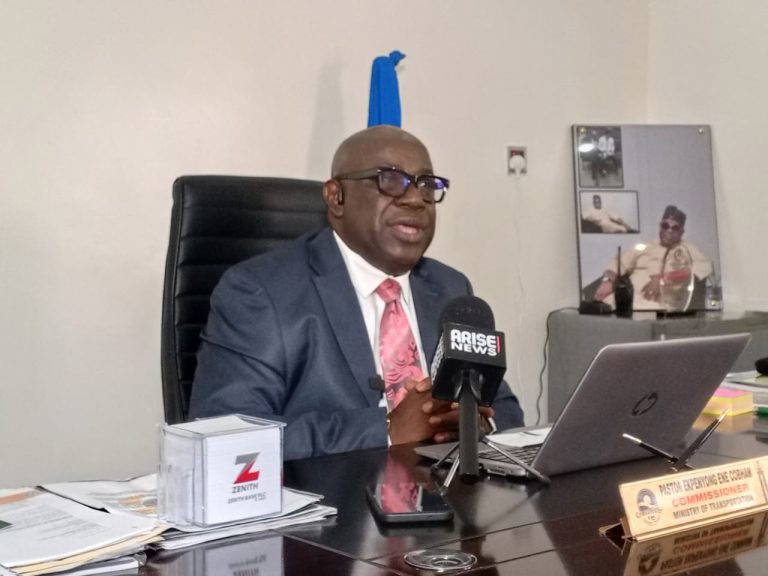
The Cross River State Government has commenced the deployment of 10 electric buses and 500 electric tricycles as part of efforts to reform the transport sector and reduce commuting costs for residents.
Commissioner for Transportation, Pastor Ekpenyong Cobham, disclosed this during an interaction with journalists in Calabar, describing the initiative as a major component of Governor Bassey Otu’s transport reform agenda.
Cobham said the new transport scheme was designed to provide affordable mobility for residents, particularly public servants and daily commuters, who he said could save between N300 and N400 daily on transportation expenses.
He explained that the expanded fleet also includes 20 shuttle buses, 200 electric motorcycles and 10 intercity buses with a passenger capacity of about 50 persons each.
According to the commissioner, the electric buses have a battery range of approximately 250 kilometres per charge, making them suitable for reliable daily operations across the state.
He said the government initially considered adopting Compressed Natural Gas (CNG) vehicles but opted for electric vehicles due to their economic benefits and environmental advantages.
“Beyond reducing transport costs, we also considered the need to address carbon emissions, which informed our decision to go with electric vehicles,” Cobham said.
He noted that commuters on major routes such as the 8 Miles to Watt Market corridor, where fares currently average N600, could see costs reduced to between N150 and N200 once the fleet becomes fully operational.
Cobham added that operators of electric tricycles were also expected to benefit, projecting daily earnings of not less than N15,000 while reducing fuel expenses associated with petrol-powered vehicles.
The commissioner acknowledged that the transport sector had suffered years of neglect, stating that prior to the current administration, there had been limited policy direction and institutional structure for nearly 16 years.
He said the ministry had since embarked on reforms aimed at improving regulation, addressing road transport challenges and tackling issues such as unsafe driving practices and criminal activities associated with public transportation.
Cobham described the deployment of electric vehicles as the beginning of a new era for the state’s transport system, adding that the shift away from fossil fuel-powered transportation would continue.
On long-term transport infrastructure, he disclosed that the state had engaged consultants linked to the World Bank to conduct a pre-feasibility study for future projects.
He added that plans were underway through a Public-Private Partnership arrangement for the development of a 4,000-capacity trailer park at Odukpani/Akamkpa to reduce congestion in Calabar.
The commissioner also confirmed that the proposed Grand Littoral Rail Project remained part of the administration’s development agenda, despite delays caused by regulatory approvals at the federal level.
