
ECOWAS Activates $15bn Abidjan-Lagos Highway Project Board
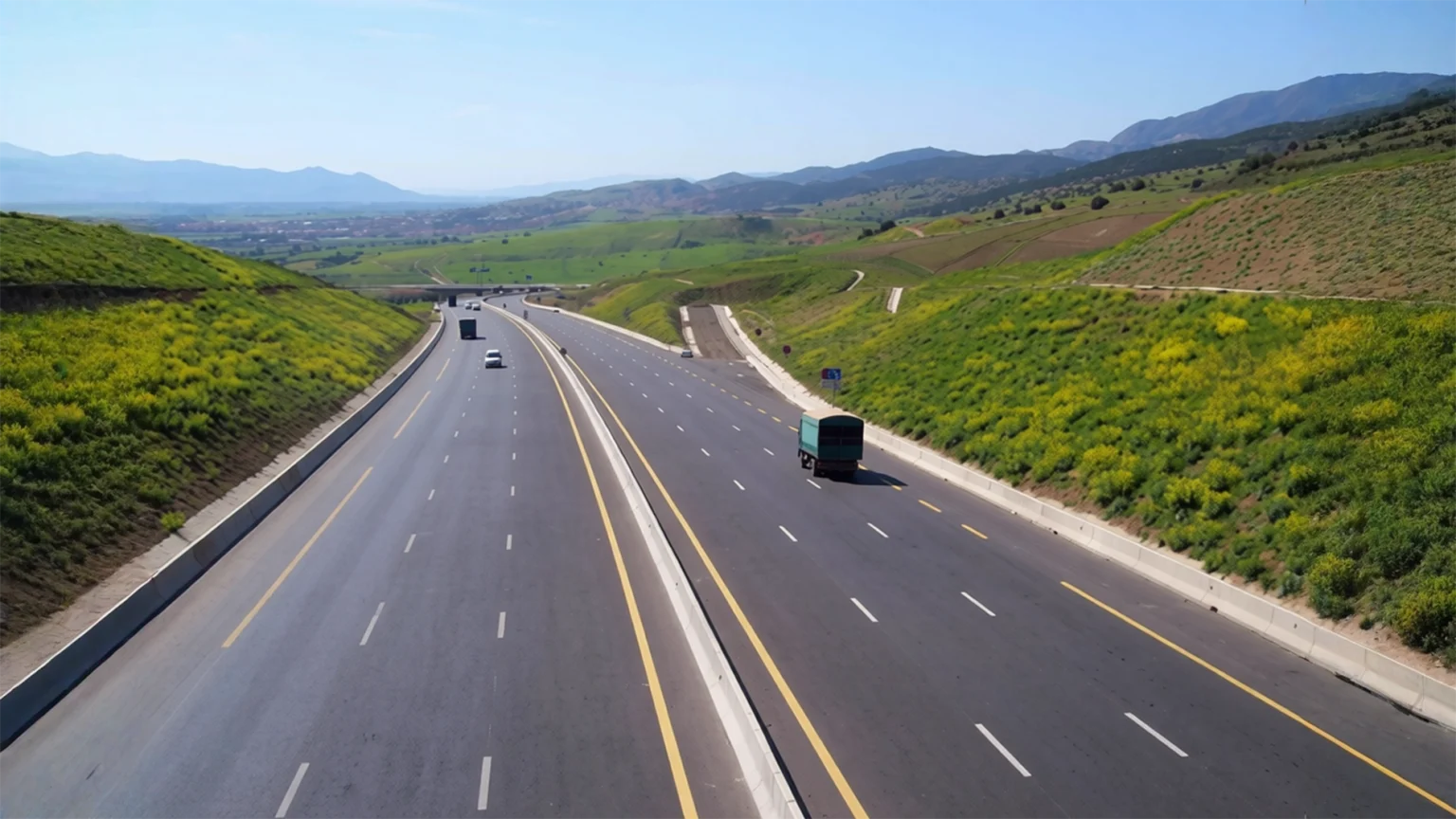
The Economic Community of West African States (ECOWAS) has inaugurated the board of the Abidjan-Lagos Corridor Management Authority (ALCOMA) as efforts intensify towards the development of the $15 billion regional highway project.
The inaugural Board of Directors meeting, held from June 11 to 12, 2026, in Nigeria, established the governance structure, operational guidelines and procedures required to move the six-lane highway project from the planning stage to implementation.
The Abidjan-Lagos Corridor project, backed by a treaty signed by the heads of state of Benin, Côte d’Ivoire, Ghana, Nigeria and Togo, is expected to improve regional connectivity, trade and economic integration, with sections of the highway projected to become operational from 2030.
During the meeting, members appointed Benin’s Wilfrid Lauriano Do Rego as the first chairman of ALCOMA for a two-year tenure, while Ayadji Omolade Hodonou Sourou Jacques was named deputy chairman in line with the rotational arrangement of the Inter-Governmental Agreement.
The board also created interim committees on human resources, legal and corporate affairs, and finance to oversee recruitment processes, administrative matters, budgeting and investment mobilisation.
The African Development Bank (AfDB) was approved as a non-voting member of ALCOMA and designated as the Mandatory Lead Arranger for the project’s financing structure.
The estimated $15 billion highway initiative will receive support through a proposed $500 million catalytic capital allocation from the African Development Fund’s Regional Operations Envelope, alongside financial contributions from participating countries, including Benin, Côte d’Ivoire and Nigeria.
Meanwhile, ECOWAS has launched a regional trade workshop in Lomé, Togo, aimed at addressing challenges affecting small-scale cross-border traders, especially women.
The workshop, organised by the ECOWAS Centre for Gender Development in partnership with the Togolese government, is focused on reviewing the ECOWAS Gender and Trade Action Plan (2015–2020) and validating the new Gender and Trade Strategy (2026–2030).
The initiative is expected to tackle barriers such as administrative restrictions, harassment and limited access to financing faced by cross-border traders across the region.