FG Spends N6.47tn On Infrastructure, Highways Get Lion’s Share
The Federal Government spent N6.47tn on strategic infrastructure projects between June 2023 and December 2025, with major highway projects accounting for more than half of the expenditure.
An analysis of the Federal Government’s newly released Nigeria Reform Scorecard, titled The Benefits, Costs and Harm Prevented, showed that the Lagos-Calabar Coastal Highway received the largest allocation among the listed strategic infrastructure projects, with N2.23tn disbursed for its construction.
The Sokoto-Badagry Superhighway followed with N1.11tn, while N489.3bn was spent on the Trans-Sahara Superhighway. The three projects alone accounted for approximately N3.83tn of the N6.47tn allocated to strategic infrastructure during the period under review.
The scorecard detailed how additional fiscal resources generated or made available through the Federal Government’s economic reforms were deployed between June 2023 and December 2025.
According to the document, the government recorded incremental expenditure of N30.64tn during the period, with N6.47tn directed towards strategic infrastructure development.
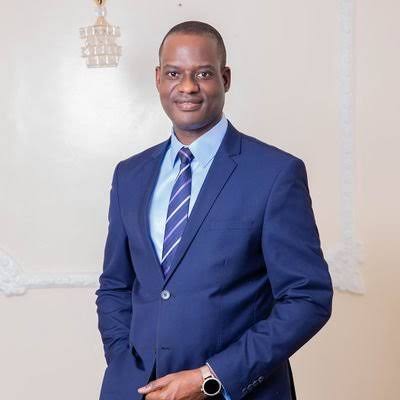
Finance Minister and Coordinating Minister of the Economy, Taiwo Oyedele, had disclosed that the removal of petrol subsidy and the unification of the foreign exchange market generated N15.8tn in additional resources for the Federation.
Oyedele explained that the subsidy savings were reflected through increased revenue collections, including higher Customs duties and petroleum-related taxes resulting from the naira’s depreciation and foreign exchange reforms.
Further details in the scorecard showed that the Lagos-Calabar Coastal Highway accounted for about 34 per cent of the strategic infrastructure expenditure.
Other major allocations included N366bn for road emergency intervention projects, N304.2bn for the Abuja-Kaduna-Kano Road, Section II, N291.3bn for the Lekki Deep Sea Port Access Road and N228.4bn for the Ilesha-Akure-Benin road section.
The government also allocated N250bn to the Renewed Hope Smallholder Support Programme, N124.7bn for the construction of 1,550 housing units for Nigerian Armed Forces personnel and N109.9bn for Operation Lake Sanity, a multinational security operation.
The Ministry of Finance said the infrastructure spending was intended to address long-standing constraints to investment, productivity and economic growth.
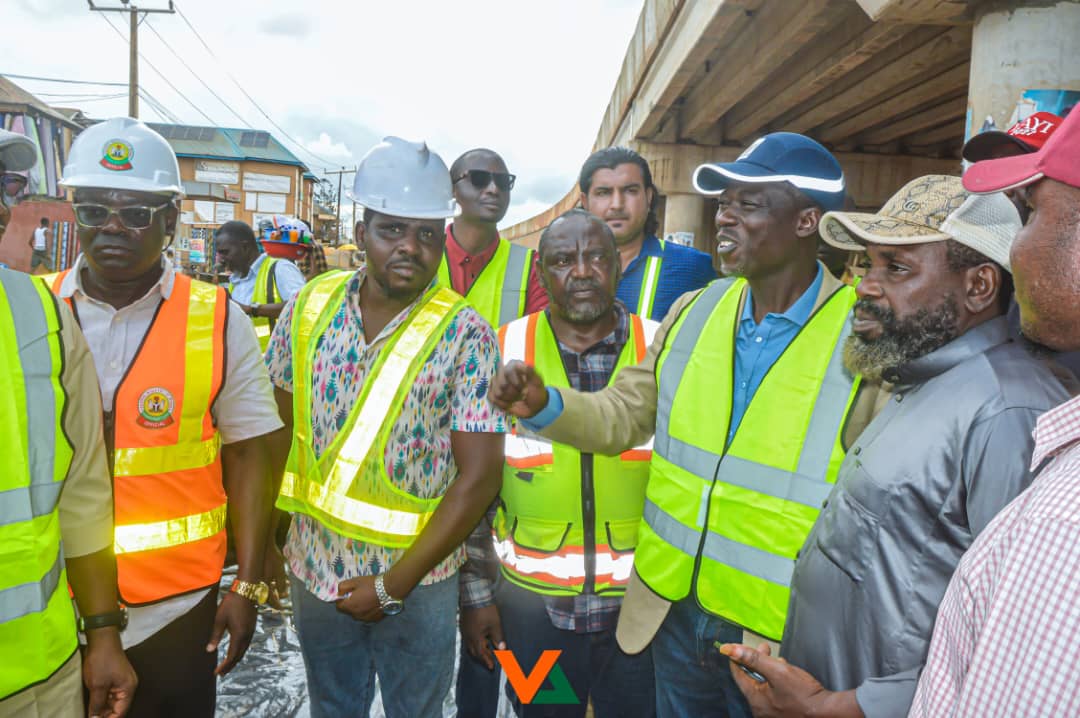
The Lagos-Calabar Coastal Highway, one of the administration’s flagship road projects, is designed to run along Nigeria’s southern coastline and connect nine states. Construction is ongoing across several sections of the route, including Lagos, Ogun, Ondo, Akwa Ibom and Cross River.
The project has, however, generated public debate over its cost, financing structure and the pace of government payments.
Meanwhile, the broader N30.64tn incremental expenditure included N9.39tn in wage adjustments and N9.37tn attributed to the impact of foreign exchange movements on external debt servicing.
Together, the two items accounted for N18.76tn, or about 61.2 per cent of the total incremental expenditure during the period.
The scorecard also put incremental borrowing at N11.85tn, highlighting the continued pressure on the Federal Government’s finances despite increased resources from the economic reforms.