
Lagos Port Delays Cost Ship Operators Over $250,000 Per Vessel
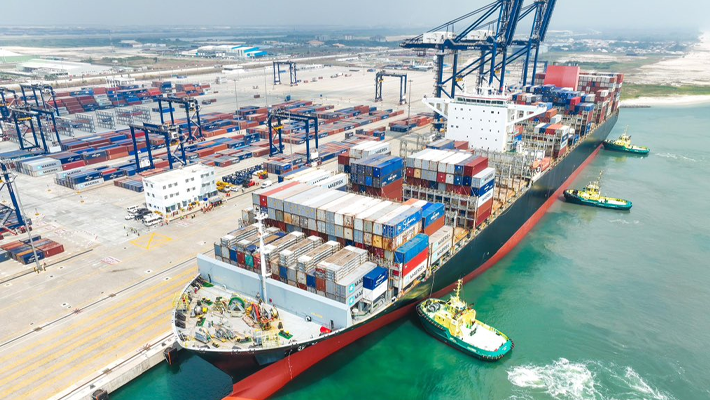
Ship operators calling at Lagos ports are losing more than $250,000 on a single vessel before cargo discharge begins due to prolonged waiting times at anchorage, maritime stakeholders have revealed.
The concern follows recent vessel-tracking data monitored by Coastalynk Technologies Limited, which showed that a vessel spent 280 hours, equivalent to 11.6 days, at the Lagos Outer Anchorage awaiting berth allocation before commencing discharge operations.
Chief Executive Officer of Omnis Marine Nigeria Limited, Olayinka Alegbeleye, said the extended waiting period imposes significant financial losses on vessel operators and charterers.
According to him, applying a conservative Time Charter Equivalent (TCE) rate of $22,000 per day to the 11.6-day delay translates to more than $250,000 in lost earning capacity and idle asset costs before cargo discharge begins.
He noted that the estimate excludes additional expenses such as fuel consumption, crew wages, insurance obligations, port-related charges, and the impact of delayed cargo deliveries.
Alegbeleye described the situation as a major operational and financial burden, stressing the need for data-driven maritime solutions and forensic auditing frameworks to identify bottlenecks, improve efficiency, and reduce disputes linked to vessel waiting times.
He added that while technology platforms can provide real-time visibility into vessel positions and dwell times, translating such data into actionable operational and legal insights remains critical for managing demurrage risks and protecting operators’ margins.
Also speaking, Founder and Chief Executive Officer of Coastalynk Technologies Limited, Yahaya Tijani, said the 280-hour waiting period reflects the reality faced by many vessels operating at the Lagos Outer Anchorage.
Tijani explained that the company’s monitoring system tracks vessel movements, queue positions, dwell times, and offshore waiting periods, providing empirical evidence of congestion and operational patterns at the anchorage.
He noted that the impact of vessel delays extends beyond shipping operations, affecting barge scheduling, depot planning, cargo evacuation, and inventory management across the logistics chain.
“That is how long one vessel waited at Lagos Outer Anchorage before discharge began. Burning fuel offshore, accumulating costs and keeping cargo idle on the water. The full cost is rarely captured,” he said.
A maritime analyst, Adeyemi Samuel, warned that continued delays could worsen congestion at Lagos ports and further disrupt barge operations.
Samuel estimated that waiting times for barge loading and unloading could double if the current situation persists. He attributed the recurring delays to lengthy vessel clearance procedures handled by ship agents and inadequate storage capacity at depots within the Lagos port system.
He called for streamlined clearance processes and expanded storage infrastructure to reduce congestion, improve vessel turnaround times, and enhance overall port efficiency.