Lagos Residents Urge Stricter Enforcement Against Illegal Highway Crossing
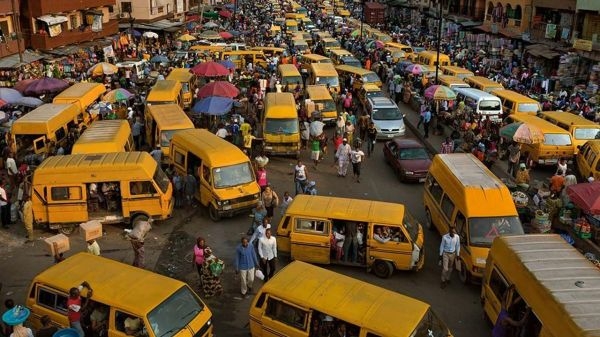
Residents of Lagos State have called for stricter enforcement of traffic regulations, sustained public enlightenment and improved pedestrian facilities to curb deaths and injuries caused by unsafe highway crossing.
The appeal follows reports that at least 69 people died while 246 others sustained injuries in road crashes across the state between January and March 2026, highlighting growing concerns over pedestrian safety and compliance with traffic rules.
The Lagos State Traffic Management Authority (LASTMA) had also reported that more than 1,006 road crashes, 87 deaths and 666 injuries were recorded across the state between January and September 2025.
A survey by LEADERSHIP Sunday around Ojota, Maryland, Ladipo and Ile-Epo revealed that many pedestrians continued to cross busy highways despite the availability of pedestrian bridges provided to ensure their safety.
One of the residents, Mariam Okafor, said some pedestrians deliberately avoided the bridges because they believed crossing directly through traffic would help them reach their destinations faster.
She warned that such decisions could have fatal consequences for pedestrians and other road users, including motorists who might become victims of accidents caused by unsafe crossing.
Okafor called on the government to enforce existing regulations prohibiting pedestrians from crossing highways where pedestrian bridges are available. She also urged parents to teach their children proper road-safety practices, noting that young people could imitate adults who disregard designated crossing facilities.
Another resident, Abiodun Tunji, expressed concern over the persistent disregard for pedestrian safety measures, insisting that people should use available bridges to protect themselves and other road users.
While acknowledging the efforts of the government and traffic enforcement agencies, Tunji called for stronger enforcement to discourage dangerous crossing practices.
However, he noted that pedestrians should not bear the entire responsibility for the problem, urging the authorities to address locations where crossing facilities are unavailable, inadequate or difficult to access.
Residents also identified long distances to some pedestrian bridges, difficult stairways, poor lighting and security concerns as factors discouraging their use.
They maintained that effective enforcement must be accompanied by improved accessibility, proper maintenance and adequate security around the facilities.
Speaking on the causes of road crashes and the challenges confronting traffic management, a Senior Law Enforcement Traffic Superintendent with LASTMA, Idowu Oluwatoyin, identified bad road surfaces, potholes, indiscriminate refuse disposal, reckless driving, impatience among motorists and faulty vehicles, including brake failure, as major risk factors.
Oluwatoyin explained that poor road conditions could increase the dangers faced by motorists and pedestrians, while disregard for traffic regulations and resistance to enforcement could undermine efforts to prevent accidents.
She disclosed that LASTMA submits monthly photographic reports on damaged road sections to the Ministry of Transportation, which liaises with the Ministry of Public Works for palliative repairs or reconstruction.
According to her, the agency also maintains round-the-clock rescue operations to assist accident victims and remove abandoned or damaged vehicles obstructing traffic.
She added that LASTMA personnel alert motorists to dangerous road sections, educate road users on traffic safety and apprehend drivers who travel against the flow of traffic.
Oluwatoyin identified the Lagos–Ibadan Expressway as a high-risk corridor because of its heavy traffic volume, explaining that LASTMA diverts traffic when crashes occur and collaborates with the Lagos State Emergency Management Agency to support emergency response and restore traffic flow.
She, however, lamented that traffic enforcement officers often face resistance from motorists, including abusive language, refusal to obey instructions and, in some cases, physical assaults.
She further noted that vehicle breakdowns, road repairs and construction-related congestion could heighten frustration among road users and complicate traffic management.
Oluwatoyin explained that vehicles impounded for traffic violations are taken to LASTMA zonal yards, where the appropriate penalties are determined after the drivers are attended to by designated officers.
She called for regular public enlightenment campaigns, stricter enforcement of traffic regulations, responsible conduct by commercial transport operators, improved road maintenance, disciplined driving and better driver training.
The residents stressed that reducing road fatalities in Lagos would require a coordinated approach involving government agencies, motorists, pedestrians and other stakeholders, with particular emphasis on compliance with traffic rules and the provision of safe, accessible pedestrian infrastructure.