NADDC Boss Urges MDAs To Buy Locally Assembled Vehicles
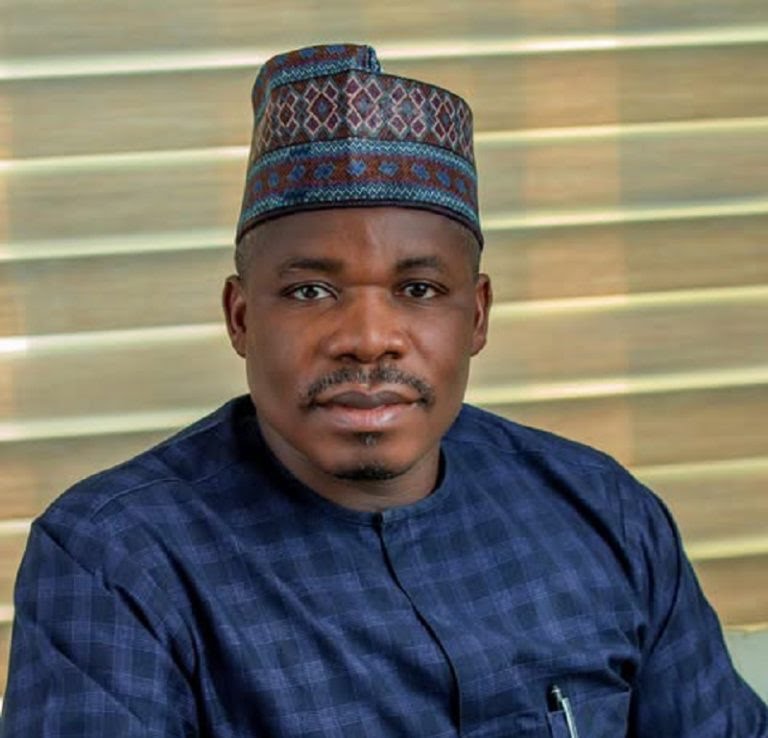
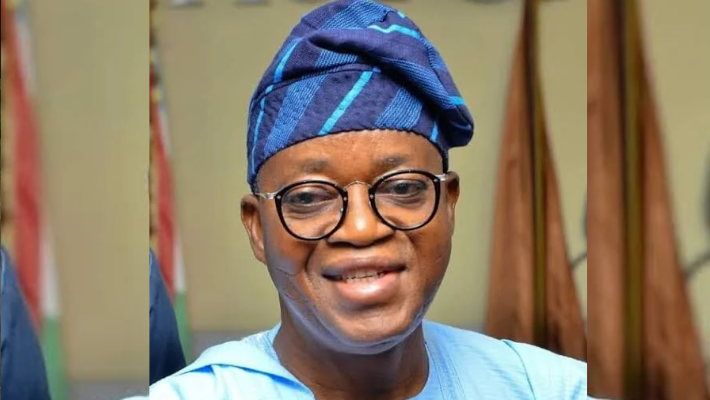
The Director-General of the National Automotive Design and Development Council (NADDC), Joseph Osanipin, has defended the Federal Government’s Nigeria First policy, urging ministries, departments and agencies (MDAs) to prioritise the procurement of locally assembled vehicles to strengthen the country’s automotive industry.
Speaking on Channels Television’s Sunrise Daily programme, Osanipin said the policy aims to ensure that government expenditure directly supports local manufacturing, creates jobs and conserves foreign exchange.
He noted that the automotive sector has strong linkages with other industries, including steel, plastics, textiles and technology, making it a key driver of industrial development.
According to him, redirecting government vehicle purchases to locally assembled brands would stimulate economic activity and expand employment opportunities across the value chain.
Osanipin explained that implementation of the policy would be coordinated through the Bureau of Public Procurement (BPP), which would require MDAs seeking procurement approvals to source vehicles from approved local assemblers.
“We are not choosing the brand for any agency, but the vehicles must come from companies assembling in Nigeria. If there is a local substitute, government funds should be used to buy that vehicle,” he said.
The NADDC chief stated that the policy applies to all federal government institutions, including the National Assembly, except in cases where specialised vehicles unavailable in the local market are required.
Addressing concerns about whether senior government officials, including the President, would be subject to the policy, Osanipin acknowledged that certain security-equipped and highly specialised vehicles could be exempted due to their unique specifications.
He, however, maintained that such exemptions would be limited and would not detract from the policy’s overall objective of promoting domestic vehicle production.
Osanipin said Nigeria already possesses the capacity to assemble a broad range of vehicles required by government agencies, including passenger cars, sport utility vehicles (SUVs), pick-up trucks and commercial buses.
He added that local manufacturers are also advancing in the production of specialised security and armoured vehicles, citing firms such as Proforce as examples of companies supplying security vehicles assembled within the country.
The NADDC boss disclosed that the policy would initially focus on federal government procurement, with plans to subsequently engage state governments and private sector operators.
He also revealed that the council had enhanced collaboration with vehicle importers and dealers through a registration platform aimed at improving oversight of vehicle imports and dealership operations nationwide.
On compliance, Osanipin said the BPP would monitor adherence through procurement approvals, annual procurement reports and post-procurement verification processes.
He warned that agencies that fail to comply with the policy could face sanctions, including restrictions on future vehicle procurement approvals.
“The idea is simple: consume what we produce and produce what we consume. Government must lead by example if we want to build a sustainable automotive industry in Nigeria,” he said.
The Nigeria First policy forms part of the Federal Government’s broader strategy to deepen local content, reduce dependence on imports and accelerate industrial growth through increased patronage of made-in-Nigeria products.