


New Terminal Triggers Fresh Gridlock On Kirikiri–Apapa Road
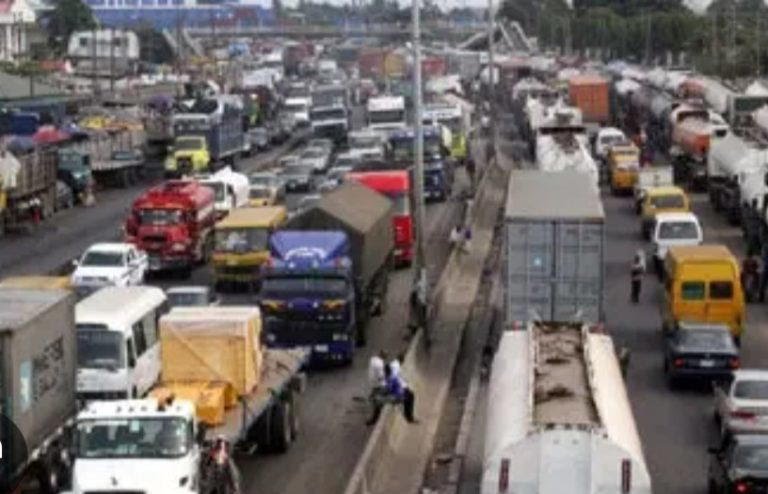
LAGOS — Motorists, truck drivers and other road users in the Mile 2–Kirikiri axis of Apapa, Lagos State, have raised concerns over worsening traffic congestion, with some motorists spending several hours on the road.
The congestion, according to truck drivers and residents, has intensified in recent months following the commencement of operations at a new terminal in the area.
The development persists despite measures introduced by the Nigerian Ports Authority (NPA) to regulate the movement of empty containers into seaport terminals and reduce congestion along the Apapa and Tin Can Island port corridors.
A Kirikiri resident, Godwin, attributed the worsening situation largely to the new terminal, saying the limited space available for trucks to manoeuvre had compounded the traffic problem.
He said trucks leaving the terminal sometimes joined the road improperly, further obstructing traffic, while the narrow and poor condition of the access road also posed challenges for heavy-duty vehicles.
A truck driver, Ifeanyi Akachukwu, blamed the congestion on poor coordination among the police, traffic management personnel and terminal operators.
He urged the relevant authorities and terminal operators to work together to regulate truck movements, warning that indiscriminate queuing and delays in attending to trucks were affecting not only truckers but other road users.
Another driver, Ibrahim, said he had spent more than three hours in traffic, resulting in delays to his deliveries.
A tanker driver, Gbenga, also recalled that the road was previously free-flowing before the terminal began operations, adding that some drivers now spend entire nights in traffic without reaching their yards.
“We appeal to the government to intervene and provide a solution,” he said.
A visit to terminals in the area, including HEZEGOVIN Logistics Limited, AGL Africa Global Logistics and Bestaf Container Terminal, showed several trucks either queued along access roads or waited to gain entry into the facilities.
The trucks, at times, occupied significant portions of the carriageway, putting additional pressure on adjoining roads and slowing traffic towards the Mile 2 axis.
However, a task force officer monitoring traffic in the area disputed claims that the condition of the road was responsible for the gridlock.
According to the officer, the road had already been repaired, while the major causes of the congestion were the narrow access road leading to the terminal and the large number of trucks seeking entry.
He said task force personnel had also been deployed around the UBA Outer Wharf area to prevent indiscriminate parking and keep the road accessible.
Another task force official said the increase in truck traffic was linked to changes in container movement, with some containers previously handled at other facilities now being taken directly to the new terminal.
The development has renewed calls for improved coordination between terminal operators and relevant government agencies to address truck movements and prevent the Kirikiri–Apapa corridor from becoming increasingly paralysed by heavy traffic.
