
Lagos Commuters Pay More To Avoid Long Bus Queues, Delays
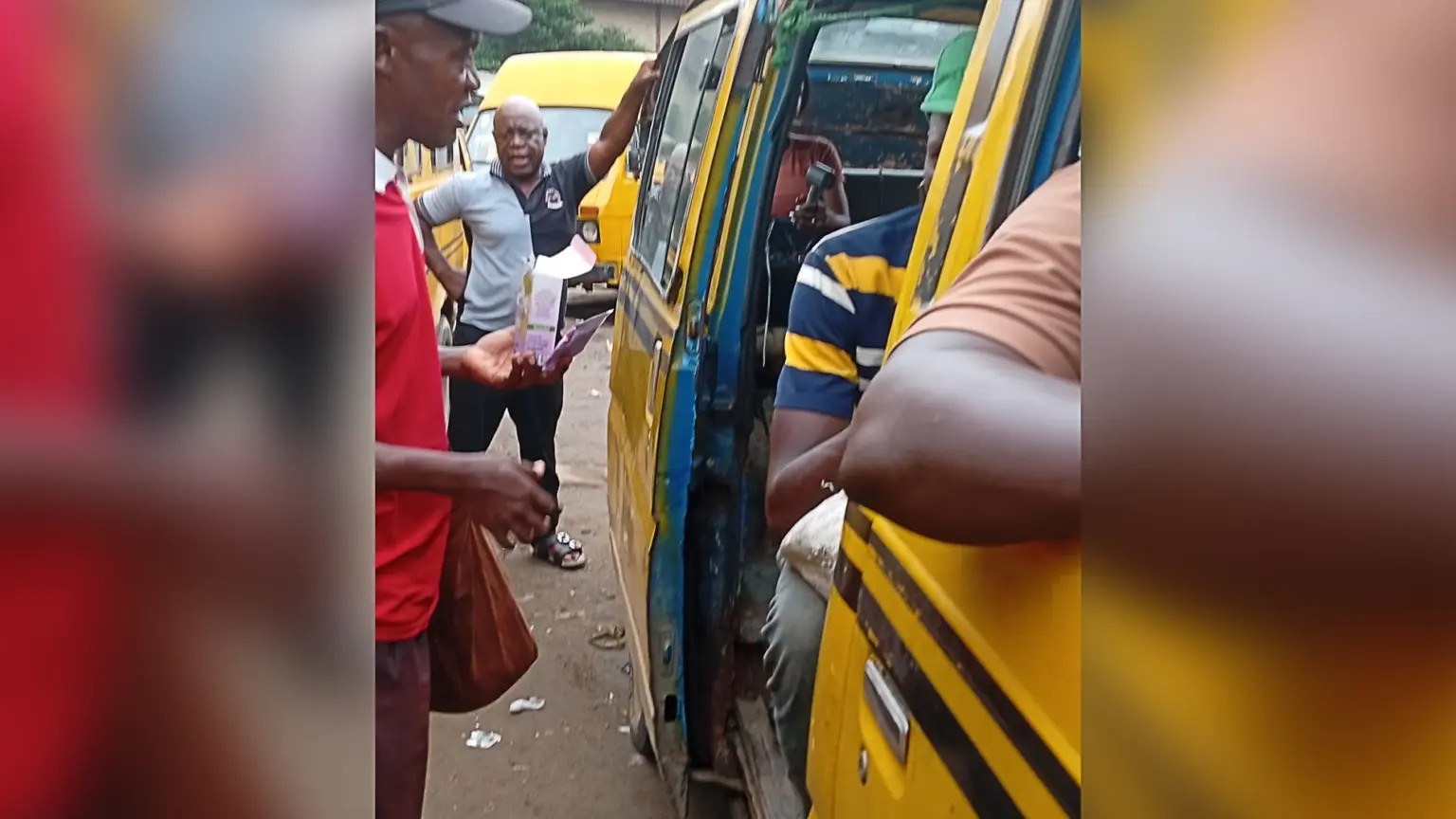
Lagos commuters are increasingly spending more on transportation to avoid prolonged waiting times at motor parks, as delays in bus departures, traffic congestion and occasional vehicle breakdowns continue to disrupt daily journeys.
Many passengers are being forced to choose between cheaper bus services, which may take considerable time to fill up before departure, and more expensive alternatives such as tricycles and connecting buses that offer quicker access to their destinations.
A report by The Guardian on Thursday highlighted the experiences of commuters who often spend between 30 minutes and nearly two hours waiting for buses, particularly at the Ojota motor park, before beginning their journeys.
For Anu Olamide, a Magodo resident who works on Lagos Island, commuting in the morning is generally manageable, but returning home in the evening presents greater difficulties due to traffic congestion, long waiting times and increased transport fares.
Olamide said she sometimes waits about 15 minutes for a vehicle in the morning but experiences more challenges during evening journeys, when congestion and higher fares make transportation more difficult.
Similarly, Felix Adeniji, who travels between Magodo and Ketu, said he usually waits about 10 minutes for a tricycle, popularly known as keke, although the waiting period could extend to 30 minutes depending on the availability of passengers.
He noted that vehicles tend to fill up more quickly during morning and evening rush hours when demand for transportation is higher.
However, commuters travelling from Ojota have reported longer delays, with some spending more than an hour waiting for buses to fill up before departure.
Favour Okon, who travels to Ogba and Agege, said repeated delays at the Ojota motor park had forced her to reconsider her transportation options.
She recalled waiting for more than an hour for a bus to depart on one occasion, only for another journey to be interrupted by a mechanical problem shortly after the vehicle left the park and stopped around Oregun, Ikeja.
According to her, passengers were not refunded their fares after the journey was disrupted. The driver reportedly explained that he had already incurred expenses at the park and needed money to repair the vehicle.
The passengers eventually abandoned the bus and sought alternative transportation, losing both valuable time and the money they had initially paid.
Following the experience, Okon said she sometimes opted for a tricycle towards Adeniyi Jones, near Allen Junction, where she could connect with vehicles travelling to Ogba and Agege.
Although the alternative costs more, she said vehicles along the route tend to fill up faster, making the option more convenient when arriving at her destination on time is a priority.
A lawyer, Farouk Olaide, also recounted spending almost two hours waiting for a bus at the Ojota motor park while travelling to Ogba and Agege, despite leaving home early for a court appearance.
Olaide said the situation was further complicated by drivers who repeatedly changed the vehicles passengers were expected to board, leaving commuters uncertain about their departure arrangements.
Despite the inconveniences, he continues to use the park because its fares are cheaper than those of alternative transport options.
He said a bus journey costs about N600, while travelling by tricycle from Ojota Junction to Adeniyi Jones costs approximately N300, followed by another N500 to reach Ogba or Agege.
The alternative route therefore costs about N800, compared with the N600 bus fare, representing an additional N200 in transportation expenses.
For commuters struggling to manage daily costs, the difference remains significant. However, those with work commitments, appointments and other time-sensitive engagements may consider the additional expense worthwhile to reduce the risk of arriving late.
Not all commuters experience the same difficulties. Philip Daniel, an elderly businessman whose workplace is around Ikeja Under-Bridge, said he usually finds transportation quickly because he leaves home early when demand for vehicles travelling towards the area is high.
He added that waiting times could increase to about 30 minutes when he travels later in the day.
The experiences of commuters indicate that departure times, destinations and passenger demand play important roles in determining how long people wait for transportation.
While passengers continue to complain about delays and uncertainty, commercial drivers at the Ojota motor park have attributed the situation largely to the cost of operating their businesses.
Ezekiel Olaoluwa, a driver who operates between Ojota and Ogba, said drivers pay fees to operate from the park and sometimes have to wait until they have enough passengers to make a trip financially viable.
According to him, leaving with unfilled seats could make it difficult to cover operating expenses, forcing drivers to delay departure until more passengers arrive.
Olaoluwa maintained that the delays do not occur all the time and are often beyond the drivers’ control, adding that vehicle breakdowns are uncommon but can occasionally disrupt journeys.
Another commercial driver, Ajani Toheeb, who operates between Ojota and the Secretariat, also attributed the delays to the time required to get enough passengers for each trip.
He said drivers must consider their operating costs and the number of available passengers before setting off, acknowledging that the waiting periods could inconvenience commuters.
The situation highlights the continuing challenge of balancing affordable transportation with reliability in Lagos, where workers, business owners and professionals depend on public transport for their daily activities.
For many commuters, cheaper bus services remain an important option amid rising living costs. However, prolonged waiting times and unpredictable departures are increasingly pushing some passengers towards more expensive alternatives in a bid to save time and arrive at their destinations as scheduled.