Ebonyi Section Of Trans-Sahara Highway 45% Complete – Umahi
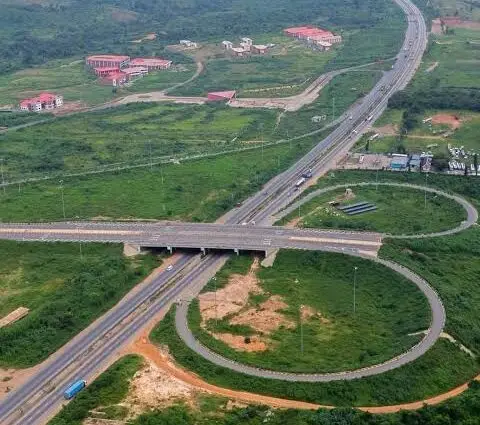
The Ebonyi section of the Trans-Sahara Highway has reached 45 per cent completion, with more than 2,000 workers currently engaged on the project, the Minister of Works, Dave Umahi, has said.
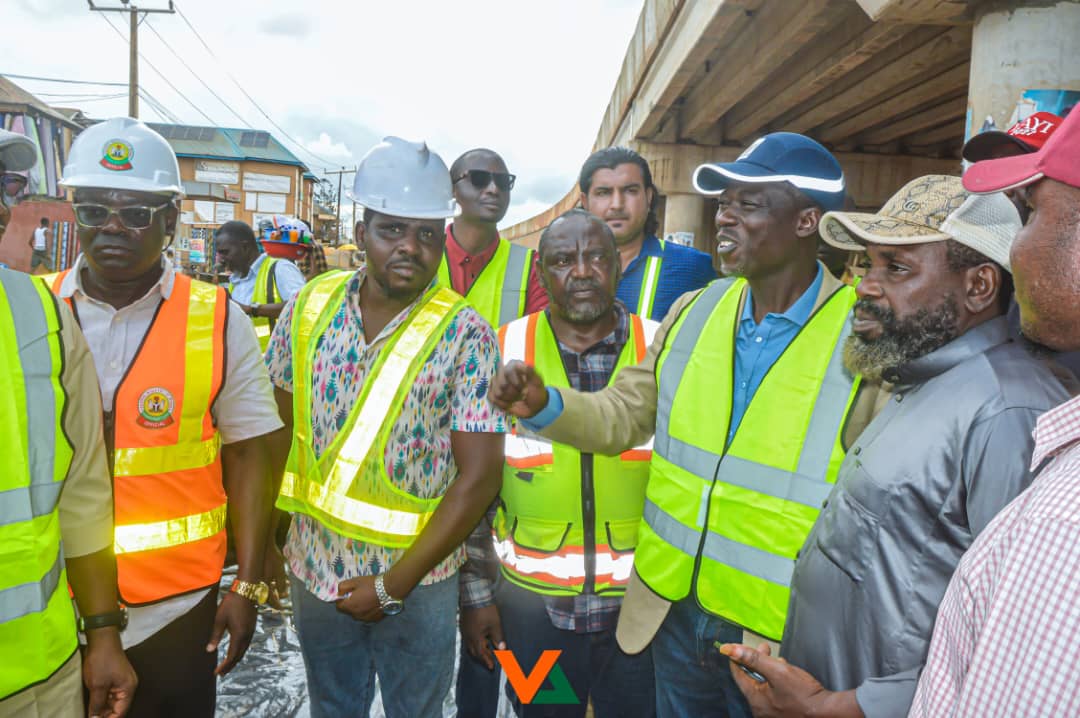
Umahi disclosed this on Saturday during an inspection of the Calabar-Ebonyi-Benue-Nasarawa-Abuja section of the highway. He commended the contractor for the quality and progress of work on the project.
According to the minister, Section One covers about 125.5 kilometres, beginning from the Ndibe Beach axis and passing through Akpoha, Abomege, Amudo and Onueke, as well as parts of Ezza North and Ebonyi Local Government Areas.
“Section One is about 45 per cent completion. The quality of the concrete pavement is top-notch,” Umahi said.
He explained that some portions of the highway were being dualised to accommodate increasing economic activities and urban development. These include an 8.9-kilometre stretch around Afikpo and a two-kilometre section at Abomege.
Umahi said Section Two, which extends into Benue and other parts of the country, covers approximately 173.6 kilometres and has a contract value of about N683 billion.
He added that the Federal Government had paid 30 per cent of the contract sum and that there were no financial constraints preventing the contractor from accelerating construction.
The minister said the completed highway would reduce travel time, improve the movement of people and goods, and facilitate the transportation of agricultural produce to markets.
He also disclosed that security infrastructure, including closed-circuit television cameras and solar-powered lighting, would be incorporated into the project.
Umahi said the project had already created significant employment opportunities, noting that more than 2,000 people had been engaged on Section One, both directly and indirectly.
The Engineer in charge of Section One, Mohammed Mustapha, said construction had recorded significant progress from Afikpo towards the Mbeke axis.
The Engineer in charge of Section Two, Rabih Munayyar, said mobilisation and construction activities were being accelerated, including bush clearing and other preparatory works.
Meanwhile, Maxwell Oko, Acting Controller of the Trans-Sahara Road Project in Ebonyi, said Section One was awarded at approximately N454 billion, while Section Two was awarded to Infiouest International at about N683 billion.
Oko said Section One runs from the Ndibe Beach axis through several communities in Ebonyi and includes major structures such as flyovers at Onueke and Ukwachi Junctions, alongside other bridge works.
Choma Nweze, Senior Special Assistant to the President on Community Engagement (Southeast), described the highway as a major economic intervention capable of transforming rural communities across the region.
She said the project would improve access to healthcare and markets, enable farmers to move agricultural produce more easily, and reconnect communities across the Southeast and neighbouring states.
Nweze commended President Bola Tinubu and the Ministry of Works for the simultaneous execution of major road projects in the Southeast.
During the inspection, Umahi also visited areas where buildings and other properties could be affected by the road alignment. He said the Federal Government was working with relevant authorities on compensation and resettlement.
The minister commended the Ebonyi State Government for its support toward compensation efforts, particularly around the Onueke flyover corridor.
Umahi reiterated that the Trans-Sahara Highway would reduce journey times, strengthen security and expand economic opportunities along the corridor.
He said the project formed part of the Federal Government’s broader infrastructure programme aimed at addressing longstanding deficits and improving road connectivity across the country.
The minister also urged the media to report infrastructure projects based on verifiable facts and figures.
The inspection was attended by officials of the Federal Ministry of Works, contractors, engineers and other stakeholders involved in the project.