FG Seeks Stronger Collaboration To Drive Electric Vehicle Adoption
The Federal Government has reaffirmed its commitment to promoting electric vehicles and clean transportation as part of efforts to modernise Nigeria’s transport sector, deepen industrialisation and advance the nation’s green energy agenda.
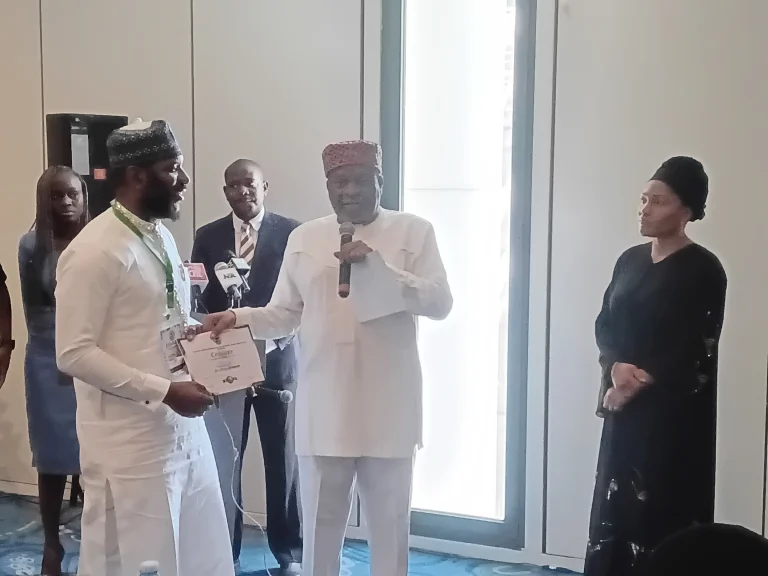
The commitment was reiterated on Thursday during the inaugural meeting of the Electric Vehicle Association of Nigeria held in Abuja, where government officials and industry stakeholders called for stronger collaboration to position Nigeria as a key player in Africa’s electric mobility revolution.
Speaking at the event, the Director-General of the Presidential Enabling Business Environment Council, Princess Zahrah Audu, described the emergence of EVAN as a timely initiative that would help accelerate the country’s transition to cleaner transportation systems.
According to her, the administration of President Bola Tinubu remains committed to building a modern, competitive and innovation-driven economy through the diversification and modernisation of Nigeria’s mobility ecosystem.
She noted that electric mobility was transforming economies globally by creating industries, generating employment opportunities, attracting investments and advancing technology.
Audu said the Federal Government recognised the need for Nigeria to strategically position itself within the global electric mobility value chain as transportation systems continue to evolve toward cleaner and smarter technologies.
She added that the electric vehicle sector also presents opportunities for local manufacturing, renewable energy integration, infrastructure development, digital innovation and youth empowerment.
The PEBEC boss further stressed that increased adoption of electric vehicles would help Nigeria meet its climate obligations and green growth targets by reducing carbon emissions and encouraging cleaner energy use.
Also speaking, the Minister of Innovation, Science and Technology, Kingsley Udeh, said science and technology remained the major distinguishing factors between developed and developing nations.
Represented by the National Coordinator of the Strategy Implementation Task Force for Presidential Executive Order, Dr Ibiam Oguejiofor, the minister stated that the Federal Government was placing greater emphasis on innovation and technological development.
He explained that Nigeria’s transition to electric mobility would require coordinated planning, industrial financing, technological innovation and sustained collaboration between the public and private sectors.
“Our objective is clear. Nigeria’s talent, resources, technology and enterprises must occupy a central place in the country’s industrial future,” he said.
Earlier, the Chairman of EVAN, Mustapha Audu, said the association was established two years ago by stakeholders determined to ensure Nigeria was not left behind in the global shift toward sustainable transportation systems.
He disclosed that the association had already built partnerships with agencies such as the National Automotive Design and Development Council, the Standards Organisation of Nigeria and the Energy Commission of Nigeria.
Despite challenges including inadequate infrastructure, limited financing and policy uncertainties, Audu expressed optimism about the prospects of the sector.
According to him, Nigeria possesses the market size, skilled manpower and growing technological capacity needed to become a major hub for electric vehicle manufacturing and clean transportation solutions in Africa.