Foreign Affairs, FRSC Crackdown On Fake Diplomatic Plates
Abuja – The Ministry of Foreign Affairs and the Federal Road Safety Corps (FRSC) have strengthened their collaboration to curb the rising abuse, falsification, and illegal use of diplomatic and official number plates across Nigeria.
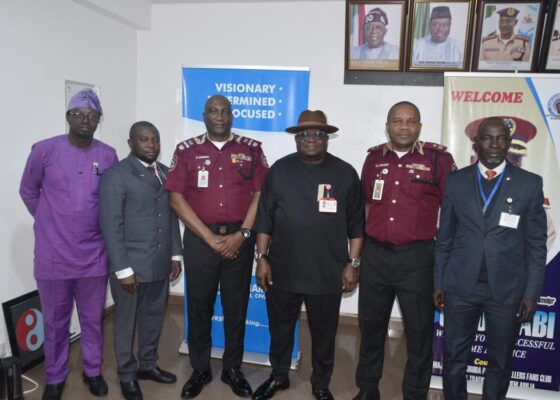
The agreement was reached during a strategic meeting held at the FRSC National Headquarters in Abuja between the Ministry’s spokesperson and the FRSC Deputy Corps Commander, Osondu Ohaeri, who also serves as the Corps Public Education Officer.
As part of the engagement, the Ministry’s representative also met with Assistant Corps Marshal Olusegun Ogungbemide, Assistant Corps Marshal in charge of Operations, to discuss measures aimed at tackling emerging security threats linked to fake diplomatic number plates and other fraudulent vehicle identification documents.
Speaking during the meeting, the Ministry disclosed that it is currently spearheading a nationwide campaign against the unauthorized use of ambassadorial titles by individuals who often possess fake diplomatic passports and diplomatic vehicle number plates.
The FRSC revealed that recent enforcement operations conducted across the country uncovered widespread abuse of diplomatic and government vehicle identification systems. According to the Corps, nearly 1,000 vehicles were intercepted in several states for using fake diplomatic plates, unauthorized government number plates, cloned registration documents, and other fraudulently obtained vehicle identification materials.
Both agencies expressed concern that the misuse of diplomatic number plates poses a serious threat to national security and undermines Nigeria’s diplomatic integrity. They warned that the practice could facilitate criminal activities, conceal identities, and damage the country’s international reputation.
The Ministry and the FRSC noted that the abuse of diplomatic privileges and immunities erodes established diplomatic norms and weakens confidence in official accreditation systems.
To address the challenge, both institutions agreed to enhance information sharing, improve verification procedures for diplomatic vehicles, and establish a stronger framework for monitoring and regulating the issuance and use of diplomatic number plates.
They also pledged to explore advanced verification systems that would integrate diplomatic accreditation records with vehicle registration databases, enabling real-time authentication of diplomatic vehicles and preventing unauthorized use of diplomatic identities.
The Ministry commended the FRSC for its proactive enforcement efforts and reaffirmed its commitment to working closely with the Corps and other security agencies to protect the integrity of Nigeria’s diplomatic system.
In addition, both organizations agreed to intensify public awareness campaigns to educate stakeholders on the proper use of diplomatic number plates and the legal consequences of forgery, impersonation, and related offences.
The Ministry emphasized that diplomatic number plates remain the exclusive property of accredited diplomatic missions, international organizations, and duly recognized diplomatic personnel operating under international diplomatic protocols. It warned that such privileges must not be transferred, sold, abused, or used by unauthorized persons under any circumstances.
Reaffirming its commitment to safeguarding Nigeria’s diplomatic credibility and national security, the Ministry urged members of the public to report suspected cases of misuse of diplomatic number plates and diplomatic identification documents to relevant law enforcement agencies.