

Petroleum Products Dominate Imports At Lekki Deep-Sea Port
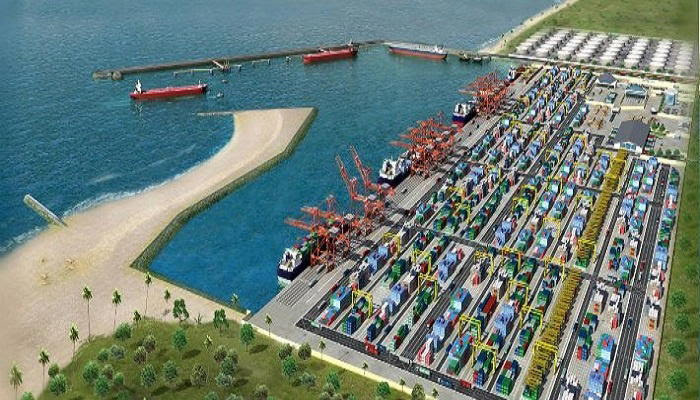
Petroleum products dominated import activities at the Lekki Deep-Sea Port in the first week of August 2026, with crude oil-based products accounting for a significant portion of the commodities brought into the country through the facility.
Shipping documents obtained by Vanguard showed that a total of 1,867,712 metric tonnes of crude oil-based products were recorded as imports through the Lekki Deep-Sea Port as of August 10, 2026.
The development comes amid sustained import activity at the country’s major ports, with petroleum products remaining a major component of cargo traffic due to their importance to transportation, industrial activities and other sectors of the economy.
A breakdown of the figures showed that 1,525,612 metric tonnes of crude oil-related products were brought into the country through the Lekki port during the period under review for onward distribution.
Aviation fuel accounted for the largest share of the petroleum products recorded, with 245,600 metric tonnes imported through the facility.
Automated Gas Oil (AGO), commonly known as diesel, followed with 104,000 metric tonnes, while Premium Motor Spirit (PMS), popularly known as petrol, was also listed among the major petroleum products imported through the port.
Despite the large volume of petroleum-related products recorded, the shipping documents indicated that there was no crude oil import during the period under review.
The figures therefore reflect the significant role of refined petroleum products in the import profile of the Lekki Deep-Sea Port, particularly as demand for aviation fuel, diesel and petrol continues to drive cargo movement.
Beyond petroleum products, other commodities also featured on the import chart at the facility. Bulk urea, a major agricultural input used in fertiliser production, recorded 99,000 metric tonnes during the period.
The volume of urea imports comes against the backdrop of the importance of fertiliser availability to agricultural production, particularly as farmers continue to depend on fertiliser inputs to improve crop yields.
Meanwhile, import activities at the Lagos Port Complex (LPC) showed a different pattern during the first and second weeks of August, with bulk wheat emerging as the leading commodity.
According to the shipping data, a total of 176,243 metric tonnes of bulk wheat was imported through the Lagos Port Complex during the period.
Wheat remains an important food commodity in Nigeria, serving as a major raw material for flour mills and producers of bread, pasta, biscuits and other food products.
The contrasting import profiles of the Lekki Deep-Sea Port and the Lagos Port Complex underscore the varied nature of cargo handled across Nigeria’s major maritime gateways.
The Lekki port, which has increasingly attracted large-scale cargo operations since commencing commercial activities, has become an important facility for handling high-volume imports and exports.
The latest figures further indicate the growing role of the facility in the movement of petroleum-related products and other bulk commodities into the country.
Industry stakeholders have continued to emphasise the importance of efficient port operations in reducing logistics costs, improving cargo movement and strengthening Nigeria’s position as a major maritime hub in the region.
With petroleum products accounting for a substantial portion of the cargo recorded at Lekki in the period under review, developments in import volumes are expected to remain closely watched by businesses, consumers and other stakeholders across the downstream petroleum and maritime sectors.

