
Transport Unions Back FG’s 500 CNG Stations Plan, Expect Lower Fares
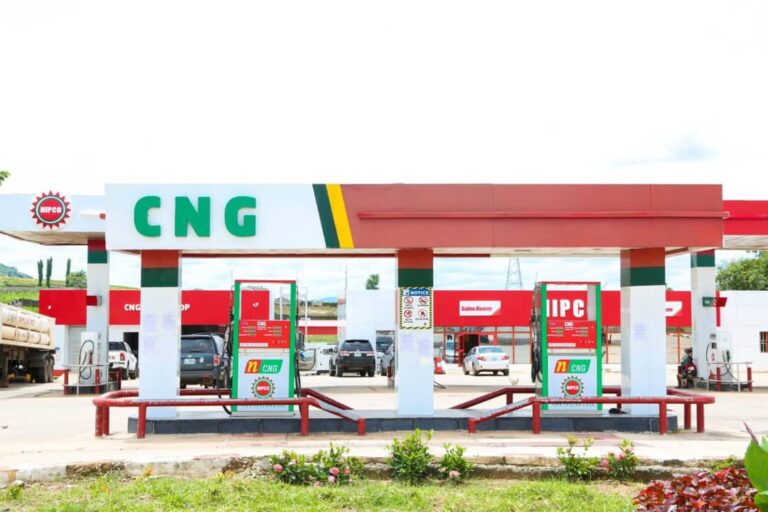
Road transport unions have endorsed the Federal Government’s plan to establish an additional 500 Compressed Natural Gas refuelling stations nationwide, saying the initiative could significantly reduce transportation costs and ease inflation if properly implemented.
The Federal Government’s planned expansion of the CNG network is expected to improve access to cheaper alternative fuel for commercial transport operators and other motorists across the country.
The Deputy President of the National Union of Road Transport Workers, Aliyu Ore, described the plan as a welcome development, noting that wider distribution of CNG stations would help reduce transport fares.
Ore said allocating at least 20 stations to each state, with more provided in states with higher commercial activity, would make CNG more accessible to transport operators.
He, however, stressed that the success of the initiative would depend largely on the availability of gas at the stations.
According to him, having the stations in place without a steady supply of CNG would limit their impact on transportation costs.
He said, “It’s a good one. And if everything goes well, it’s automatically going to come down. Because by virtue of this, at least each state will get like 20, while some commercial states will get more than that.
“But at least 20 in every state, and the transportation cost in the area will come down. If everything goes the way it’s supposed to go. One thing, you may get a filling station, and there is no gas.
“So, if all 500 filling stations are available and function well, I assure you that the price of transportation will come down. I’m very sure, and it’s a good one.”
Also backing the initiative, the Secretary-General of the Road Transport Employers Association of Nigeria, Ibrahim Yusuf, said the expansion of CNG infrastructure would help reduce the financial burden on Nigerians.
Yusuf said lower fuel-related costs would have a ripple effect across the economy, particularly by reducing transportation expenses and the prices of goods.
He noted that the government’s decision to expand the CNG network showed its willingness to address the challenges facing the transport sector, adding that the benefits would become more evident once the facilities were made available to end users.
He said the initiative could help reduce poverty, transportation costs and inflation, while also lowering the cost of essential commodities.
According to him, a reduction in transportation costs would eventually reflect in the prices of goods such as food items, including bags of rice.
The transport operators, however, emphasised that the Federal Government must ensure that the planned stations are operational and adequately supplied with gas.
They maintained that consistent availability of CNG would be critical to achieving the intended reduction in transport fares and easing the economic pressure on commuters.
In August 2026, President Bola Tinubu directed the establishment of another 500 CNG refuelling stations across the country, increasing the Federal Government’s planned nationwide network to 1,000 stations.
The directive followed a meeting between the President and state governors on measures to reduce transportation costs and ease the economic burden on Nigerians.
The unions said the successful implementation of the programme could provide significant relief for transport operators and commuters while also contributing to lower inflation across the country.