Works Ministry Inspects Benin–Asaba, Benin–Sapele–Effurun Roads, First Niger Bridge
BENIN CITY — The Federal Ministry of Works has stepped up remedial interventions on critical sections of major highways in Edo and Delta states following an inspection of ongoing construction and emergency repair works along the Benin–Asaba and Benin–Sapele–Effurun corridors, as well as the First Niger Bridge.
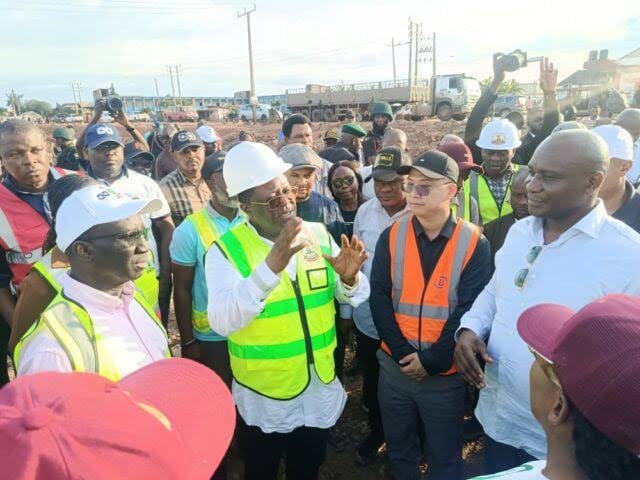
The inspection, conducted last weekend, involved officials of the Federal Ministry of Works, the Niger Delta Development Commission (NDDC), contractors and other stakeholders who assessed the condition of the affected infrastructure and reviewed the progress of ongoing interventions.
The Federal Controller of Works in Delta State, Engr. Prince Oliseh, who led the ministry’s delegation, said the interventions were designed to restore motorability on failed portions of the highways, improve traffic flow and enhance safety for motorists and other road users.
At the First Niger Bridge, the team inspected emergency repairs being undertaken by SKECC Nigeria Limited. The intervention, which commenced on September 7 and is scheduled to run until September 21, is aimed at repairing damaged bridge components and improving the structure’s serviceability and safety.
As part of measures to facilitate the repairs, traffic has temporarily been diverted to the Second Niger Bridge.
Oliseh appealed to motorists to exercise patience and comply with traffic management arrangements, assuring them that the emergency works would be completed within the stipulated period.
Preparatory activities at the bridge include scarification of the Asaba- and Onitsha-bound approach lanes and milling of the existing asphalt pavement ahead of the remedial works.
The inspection team also visited critical sections of the Benin–Asaba Highway, where contractors have been directed to intensify remedial activities.
At the Summit Junction–River Niger Bridge Head section, covering about 11.5 kilometres, materials, including hardcore for permanent repairs, have begun arriving at the site following mobilisation by Hartland Nigeria Limited.
The project manager said permanent works would commence shortly after the resolution of outstanding issues by the contractor’s management.
Oliseh reiterated the ministry’s directive for sustained mobilisation and the immediate commencement of permanent repairs, particularly at severely damaged locations.
Meanwhile, CCECC Nigeria Limited has carried out remedial works on failed sections between Ubulu-Okiti and Onicha-Ugbo, resulting in improved traffic movement.
The intervention has particularly improved the Asaba-bound carriageway around the bridge area and the section between kilometres 106 and 107 at Ubulu-Okiti.
The contractor was directed to proceed with permanent works, with the company assuring the inspection team that construction would begin within the next few days after completing its mobilisation arrangements.
On the Benin–Sapele–Effurun Highway, the inspection team assessed the Ibada-Elume–Ugbenu-Oghara axis, where several portions of the road have deteriorated significantly.
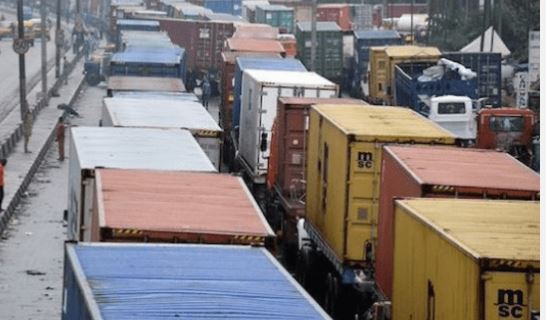
A joint assessment by the Federal Ministry of Works, NDDC and SKECC identified critical failed sections requiring urgent attention. The condition of some portions had caused considerable traffic congestion, forcing members of the inspection team to use motorcycles to access and assess some of the worst-affected areas.
Following the assessment, palliative repairs have commenced on the most distressed portions of the corridor to restore motorability and ease traffic congestion.
Oliseh said the joint inspection was also intended to identify and prioritise sections that could benefit from NDDC intervention, particularly along the Oghara–Ibada–Elume axis.
According to him, the NDDC, following further consultations with its headquarters, is proposing to focus its initial intervention on the Delta State section of the corridor before extending attention to the Edo axis.
While the broader scope of work and Bills of Engineering Measurement and Evaluation are being finalised, the commission has already commenced palliative repairs on the worst sections as an immediate response to the road failures.
Oliseh said the Federal Government was aware of the difficulties faced by motorists along the affected routes and had taken concrete steps to address the most critical portions.
He added that the ongoing interventions reflected collaboration among the Federal Ministry of Works, NDDC, contractors and other stakeholders to restore traffic flow, improve road safety and maintain access along the strategic corridors.
The Federal Controller commended the Minister of Works, Engr. Sen. David Umahi, for what he described as sustained supervision and efforts to address critical infrastructure challenges.
He said the ministry would continue monitoring the contractors to ensure that the works were executed promptly and in accordance with approved standards.
Oliseh also urged motorists to exercise caution around construction zones and cooperate with traffic management personnel and contractors while the rehabilitation works continue.
He assured road users that the ministry would sustain its monitoring and provide updates on the progress of the interventions as efforts continue to restore major highways across Delta, Edo and the wider Niger Delta region.