China-Kyrgyzstan-Uzbekistan Railway To Open Gateway Between East And West
A major transport corridor linking China, Kyrgyzstan, and Uzbekistan is steadily taking shape, in what is being described as a transformative infrastructure project poised to redefine connectivity between Asia and Europe.
Kyrgyz Prime Minister Adylbek Kasymaliyev disclosed that construction of the strategic China–Kyrgyzstan–Uzbekistan railway is advancing at a rapid pace, reflecting strong political commitment and regional cooperation. The ambitious railway project, widely regarded as a cornerstone of transcontinental trade, is expected to significantly enhance economic integration across Central Asia while opening up new logistics routes between the East and the West.
Once completed, the railway is projected to reduce cargo delivery times between Asia and Europe by up to seven days, offering a faster and more efficient alternative to existing routes. Highlighting its historic significance, Kasymaliyev remarked that while Peter the Great “opened a window to Europe,” the new railway would “open a gateway between East and West,” underscoring its potential to reshape global trade dynamics.
The $4.7 billion project is being jointly financed by the three participating nations, with China contributing 50 percent of the funding, while Kyrgyzstan and Uzbekistan each provide 24.5 percent. This shared investment structure reflects the collective strategic interest in boosting regional connectivity and economic growth.
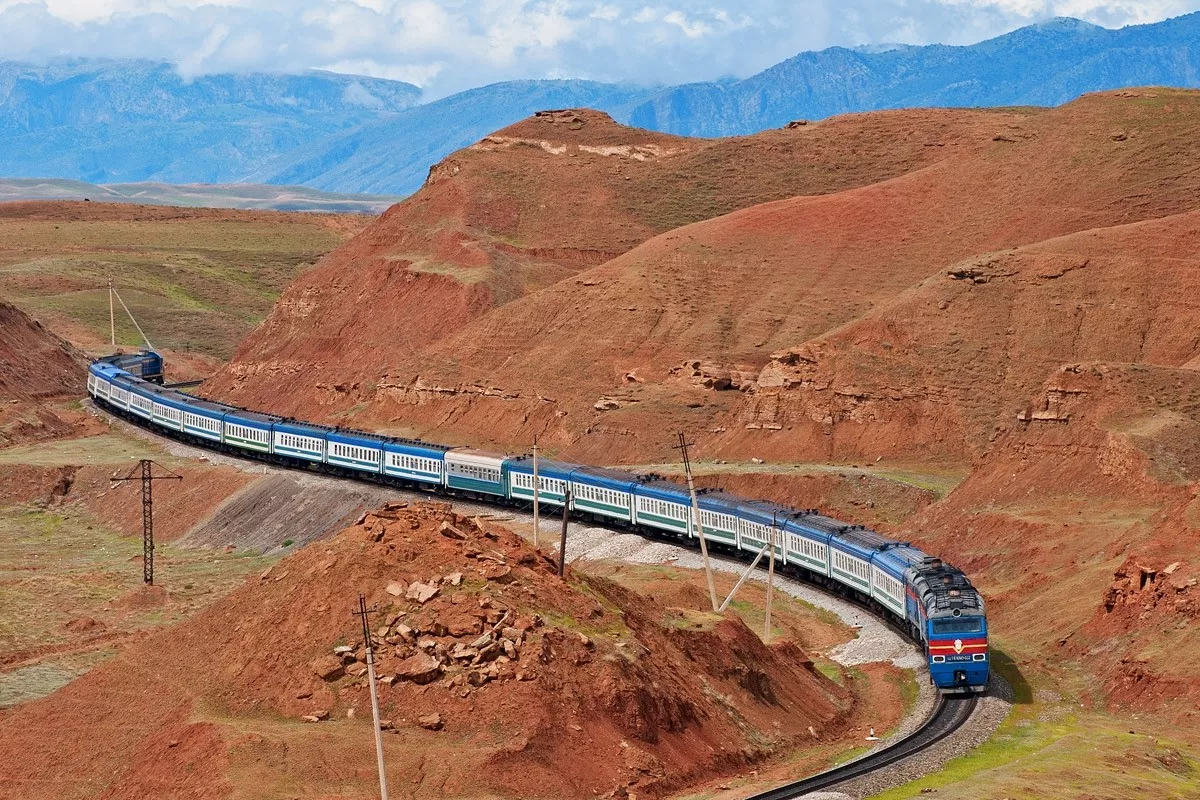
Spanning approximately 305 kilometers across Kyrgyzstan’s challenging terrain, the railway will involve extensive engineering work, including the construction of around 50 bridges and 29 tunnels. These features are critical to navigating the country’s mountainous landscape and ensuring a safe, efficient route for freight and passenger transport.
Construction activities within Kyrgyzstan are already in full swing, with more than 4,000 workers deployed across multiple sites and over 5,500 pieces of heavy equipment in operation. Significant progress has been recorded, including the successful completion of the first tunnel in the Jalal-Abad region, while several other large-scale tunnels are currently under development.
Authorities have emphasized their commitment to maintaining steady momentum, with comprehensive planning and resource allocation aimed at avoiding delays. The project is scheduled for completion by the end of 2030, a timeline that reflects both its scale and complexity.
Beyond its immediate economic benefits, the railway is also seen as a strategic link between major regional initiatives, particularly the Eurasian Economic Union and Belt and Road Initiative. Experts at international forums, including recent discussions in Moscow, have highlighted the corridor’s potential to reshape trade flows, strengthen supply chains, and enhance connectivity across Eurasia.
When operational, the China–Kyrgyzstan–Uzbekistan railway is expected to not only facilitate faster movement of goods but also stimulate investment, boost regional development, and reinforce Central Asia’s position as a vital bridge between global markets.