Brazil Begins Process To Renew 164km Freight Railway Concession
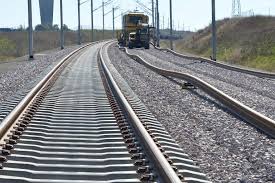
Brazil begins process to renew concession for 164 km railway in Santa Catarina state
The Brazilian government has begun the process to extend the concession contract for 164 kilometers of freight railway in the state of Santa Catarina, amid a broader plan to unlock new investments in the segment.
The extension of the Ferrovia Tereza Cristina (FTC) contract will be discussed during a public hearing process that will run until April 22, the transport ministry said in a statement.
The concession contract has been in force since 1997 and is operated by the Santa Lúcia Concessões Públicas S.A. and APPLY Participações Ltda. groups. The railway is used mainly for transporting mineral coal used in the Jorge Lacerda Thermoelectric Complex.
The discussion process for renewing the railway concession contract in Santa Catarina is part of a federal government agenda to foster more investment in the segment, by extending existing contracts and holding auctions for new concessions this year.
“With the discussions on the FTC, we will also address solutions for all the rail networks with contracts close to expiration: Malha Sul, Malha Oeste, Centro-Atlantic Railway and Transnordestina Logística. Com isso, vamos atrair os investimentos necessários para assegurar que os recorde de investimentos que estamos tendo no setor ferroviário continuem acontecendo,” disse Leonardo Ribeiro, secretário nacional de transporte ferroviário do ministério dos Transportes.
In addition to the renewals, the federal government also launched the largest portfolio of railway projects in the country’s recent history, which foresees, for 2026, eight auctions covering more than 9,000 kilometers of length and the potential to attract 140 billion (bn) reais (US$27bn) in direct investments.
However, analysts see major challenges in the government’s agenda.
“The railway agenda announced by the government is quite ambitious and responds to a historic demand in the country for greater logistical integration and lower transportation costs. Railway projects, however, are particularly complex, as they involve large-scale investments, long maturation periods and significant operational risks,” Alberto Sogayar, an infrastructure-specialized lawyer and partner at the law firm SA Advogados, told BNamericas.
According to Sogayar, the current conflict in the Middle East, as well as the approach of the presidential elections in Brazil, scheduled for October, may impact the holding of some of the auctions planned for this year.
“The international and domestic scenario may influence the pace of this agenda, but it is unlikely to render it completely unfeasible. The most likely outcome, if the economic environment becomes more adverse, is that some projects will undergo modeling adjustments, schedule revisions, or greater selectivity on the part of investors. In any case, there is growing recognition that the expansion of the railway network is strategic for the country’s competitiveness, which tends to keep the topic at the center of the public agenda,” said Sogayar.