

Delta Federal Road Collapse Traps Farmers, Motorists, Drives Up Transport Costs
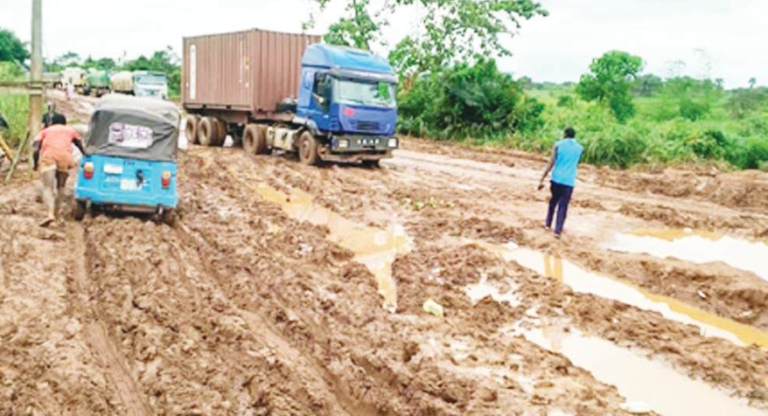
Farmers, traders and motorists in parts of Oshimili North Local Government Area of Delta State are facing severe hardship as the Asaba-Ugbolu-Illah-Ebu federal highway has become virtually impassable following prolonged neglect and heavy rainfall.
The deteriorating road has disrupted the movement of agricultural produce and essential goods, leaving communities along the route increasingly isolated from major markets in Asaba, Ugbolu, Onitsha and other parts of the South-South and Northern regions.
The single-lane highway serves as an important link to Edo, Kogi and northern Nigeria, but deep gullies, large potholes and muddy sections have made transportation increasingly difficult.
Motorists, particularly heavy-duty truck operators, have reportedly suffered frequent breakdowns and accidents, with some trailers overturning along the route.
A transporter, Azuka, who said he had used the road for about 15 years, described the past four months as particularly difficult, noting that many drivers had stopped using the route because of the high risk of vehicle damage.
According to him, the cost of travelling on the route has also increased sharply, with fares reportedly rising from about N1,000 to as much as N5,000.
The poor condition of the road has also affected farmers, who are struggling to move their produce to markets.
An indigene of Illah, Andrew Onlaye, said communities along the corridor depend heavily on agriculture, producing crops such as yam, cassava, maize, plantain and potatoes.
He said the condition of the road had made it increasingly difficult for farmers to transport their harvests, resulting in losses as produce remains stranded in farms or deteriorates before reaching the market.
Beyond the economic impact, residents expressed concerns over road safety and insecurity.
Onlaye alleged that several deaths and injuries had occurred on the road, particularly involving motorcycles and heavy-duty trucks. He also warned that stranded motorists and commuters could become vulnerable to attacks by criminals because of the difficulty in navigating the route.
He further blamed the frequent movement of heavy-duty trucks, especially during the rainy season, for accelerating the deterioration of the road.
Another road user, Nathan Oswe, expressed concern that continued deterioration could completely cut off affected communities, particularly during the forthcoming election period, when access would be required for the movement of electoral personnel and materials.
Residents have appealed to the Federal Government and the Delta State Government to urgently intervene with palliative measures while awaiting permanent rehabilitation.
Azuka urged the authorities to act quickly, stressing that transportation remained essential to the economic survival of the affected communities.
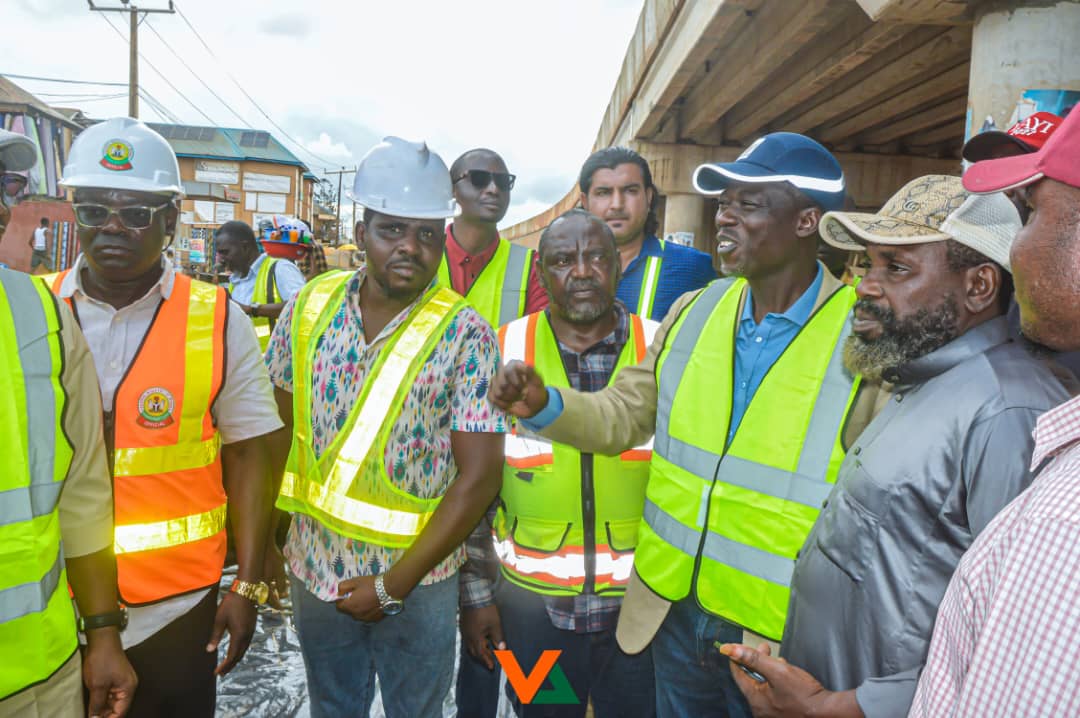
Responding to the concerns, a former Controller of the Federal Ministry of Works in Delta State, Matthew Ogar, said efforts were being made to address the situation.
He disclosed that the road was currently under design, raising hopes that a permanent solution would eventually be implemented.
However, residents are seeking immediate intervention to restore access along the corridor, reduce the risk of accidents and enable farmers and traders to resume the movement of goods without further losses.
