Federal Government Blames Blocked Drains, Climate Change For Lagos Flooding

The Federal Government has attributed the persistent flooding in Lagos to blocked drainage channels, indiscriminate waste disposal, poor environmental practices and the effects of climate change, dismissing claims that the Lagos-Calabar Coastal Highway is responsible for the flooding and ocean surge in parts of the state.
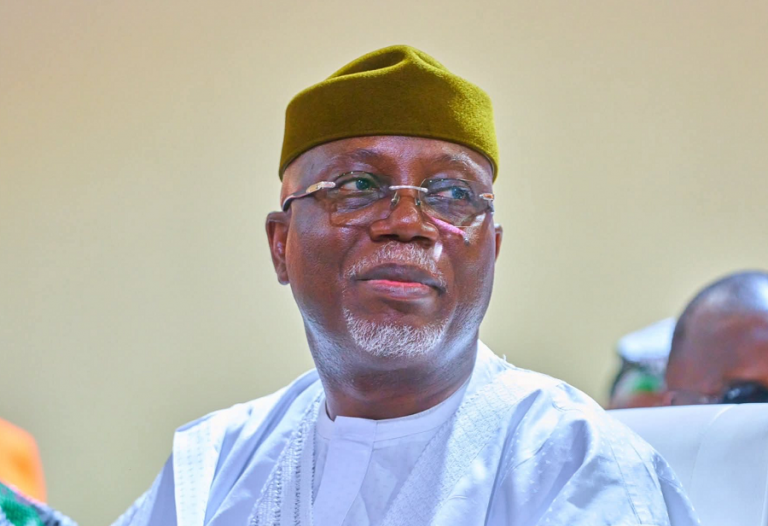
Minister of Works, Engr. David Umahi, stated this during a stakeholders’ consultative meeting attended by landlords, members of the National Assembly, officials of the Federal Ministry of Environment, representatives of the Lagos State Government and journalists.
Umahi explained that the Lagos-Calabar Coastal Highway was designed to improve drainage by collecting runoff from surrounding communities and safely discharging it into the Atlantic Ocean.
He warned that the Federal Government would begin arresting and prosecuting individuals found obstructing drainage channels with concrete or other materials, stressing that such actions contribute significantly to flooding.
According to the minister, while previous offenders would be pardoned, the government would no longer tolerate practices that undermine public infrastructure and threaten lives and property.
He urged residents to keep culverts, drainage channels and manholes free of refuse, describing flood prevention as a collective responsibility.
Umahi also condemned indiscriminate waste disposal into drainage systems and the destruction of trees planted along the coastal corridor by livestock, saying residents must take responsibility for protecting public infrastructure instead of blaming the government.
The minister noted that Lagos’ geographical location as a low-lying coastal city, with over 40 per cent of its landmass covered by water, makes it particularly vulnerable to flooding, adding that climate change has further worsened the situation across the country.
He explained that the coastal highway includes service lanes and designated entry and exit points to ensure efficient traffic movement while preserving the integrity of the expressway.
Reaffirming the Federal Government’s commitment to the project, Umahi said the highway would stimulate economic growth, create jobs, improve climate resilience and enhance environmental sustainability through features such as concrete drainage systems and solar-powered streetlights.
He disclosed that the current administration inherited 2,068 ongoing infrastructure projects but has continued to fund their completion. He also revealed plans to acquire additional land along the highway corridor for security infrastructure, CCTV installations, parking facilities, tourism hubs, industrial parks and housing estates extending from Lagos to Calabar.
Meanwhile, the Lagos State Government acknowledged that some drainage challenges along the project corridor could have been reduced if all recommendations contained in the Environmental and Social Impact Assessment (ESIA) had been fully implemented at the initial stage.
A representative of the Lagos State Ministry of the Environment said the proposed slip roads, major drainage channels and planned connections between the highway’s drainage infrastructure and the state’s existing drainage network would significantly improve flood management.
The official added that the state government has intensified waste evacuation and drainage maintenance in affected areas, expressing optimism that many of the identified drainage issues would be resolved within the next two to three weeks.