
FRSC Corps Marshal Demands Discipline, Professionalism From Frontline Marshals
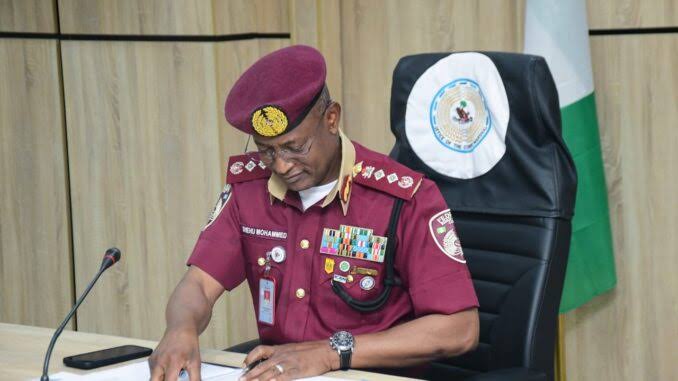
The Corps Marshal of the Federal Road Safety Corps (FRSC), Shehu Mohammed, has charged frontline marshals to uphold discipline, integrity, emotional intelligence and professionalism in their interactions with road users.
Mohammed gave the charge on Tuesday in Sokoto during a two-day capacity-building programme organised for frontline marshals under the RS10, Sokoto Sector Command.
The Corps Marshal, who was represented by the Zonal Corps Marshal, ACM Fredrick Ogidan, said the training was part of deliberate efforts to strengthen the competence, professional conduct and operational effectiveness of FRSC personnel.
He described frontline marshals as the most visible representatives of the Corps, noting that their conduct and interactions with motorists significantly shaped public perception of the road safety agency.
According to him, the communication, appearance and enforcement methods of personnel must reflect the standards expected of a professional road safety organisation.
Mohammed urged the marshals to recognise that their responsibilities extended beyond traffic control and the apprehension of offenders, stressing the importance of identifying hazards, assessing changing traffic conditions, managing emerging risks and responding appropriately to emergencies.
He emphasised that discipline remained non-negotiable, given the authority associated with the FRSC uniform, and charged personnel to exercise their responsibilities with integrity, courtesy and respect for members of the public.
“Every marshal is expected to protect the reputation of the Corps through personal discipline, integrity, courtesy and respect for the public,” he said.
The Corps Marshal also called for fairness and emotional intelligence in traffic enforcement, warning personnel against unnecessary confrontations with road users.
He stated that enforcement must be professional, measured, consistent and respectful of the dignity of motorists, adding that effective enforcement should not result in avoidable conflicts.
Mohammed further urged participants to utilise the training to improve their technical knowledge, professional conduct and service delivery.
He directed commanders and facilitators to sustain the benefits of the programme through effective supervision, mentoring, coaching and periodic assessments.
The Corps Marshal also acknowledged the contribution of the media to road safety campaigns, particularly through responsible public education and information dissemination.
Sector Commander Identifies Emerging Road Safety Challenges
Earlier, the Sokoto Sector Commander, Corps Commander Adamu Umar Argungu, said the training was necessary in view of the changing dynamics of the road safety environment.