
FRSC Deploys Over 170 Ambulances Nationwide For Road Crash Rescue
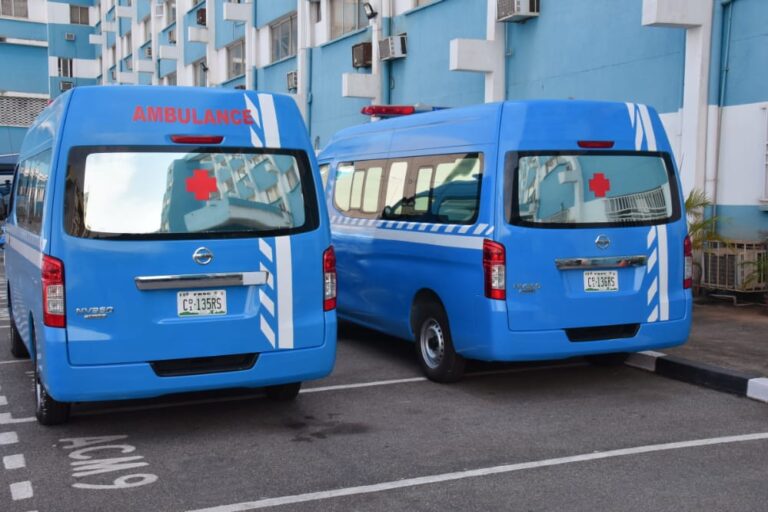
The Federal Road Safety Corps (FRSC) has deployed more than 170 ambulances across Nigeria as part of efforts to strengthen emergency response and rescue operations following road traffic crashes.
The Corps Public Education Officer, Osondu Ohaeri, disclosed this on Monday in Abuja while responding to questions on the operational capacity of the FRSC’s emergency ambulance network and its response to road traffic crashes.
Ohaeri said the FRSC currently had the largest ambulance network among emergency response agencies in the country, with more than 170 ambulances and 60 Zebra points strategically located nationwide.
He, however, clarified that the figure did not represent the number of ambulances currently operational or serviceable as of September 2026.
According to him, an accurate assessment of the number of serviceable ambulances would require the latest fleet-status report from the Corps’ medical and rescue office.
He explained that the number of ambulances reflected the scale of the FRSC’s emergency response network, while the deployment and availability of individual vehicles were determined by their location, operational condition and specific assignments.
On the adequacy of the ambulance fleet, the FRSC spokesman said the Corps continued to maintain and deploy its assets as part of its emergency response responsibilities.
He added that the operational status of individual ambulances could vary depending on maintenance requirements and other field assignments.
Ohaeri also said the FRSC was taking steps to improve its emergency response capacity by strengthening rescue deployment and enhancing collaboration with other relevant agencies.
He noted that the Corps had historically recorded an average emergency response time of about 15 minutes under its documented emergency-response programme.
However, he cautioned against treating the figure as the current nationwide average, saying updated operational data would be required to establish the present response time.
According to him, the time required to reach crash scenes depends on several factors, including the location of the incident, traffic congestion, the distance from the nearest ambulance point and accessibility of the crash scene.
He further identified the accuracy and timeliness of information provided by callers as factors that could influence the speed of emergency response.
Other challenges, he said, include situations where emergency teams are already responding to other incidents at the time a new distress call is received.
The FRSC spokesman said faster response to road traffic crashes and other emergencies remained one of the Corps’ management priorities in 2026.
He said the Corps was therefore intensifying efforts to improve rescue deployment and strengthen inter-agency collaboration to ensure quicker and more effective intervention at crash scenes.
Ohaeri assured that the FRSC would continue to improve its emergency rescue operations and optimise the deployment of its resources in collaboration with relevant stakeholders.
He said the measures were aimed at reducing the impact of road traffic crashes and improving safety outcomes for road users across the country.
The CPEO also urged members of the public with complaints concerning emergency response, evacuation, treatment of crash victims or alleged misconduct to channel such complaints through the appropriate authorities for investigation and necessary action.
(NAN)