Lagos Completes 362 Roads, Advances Major Infrastructure Projects
The Lagos State Government has disclosed that it has completed 362 roads covering about 347 kilometres across the state since 2019 as part of efforts to improve infrastructure and enhance service delivery.
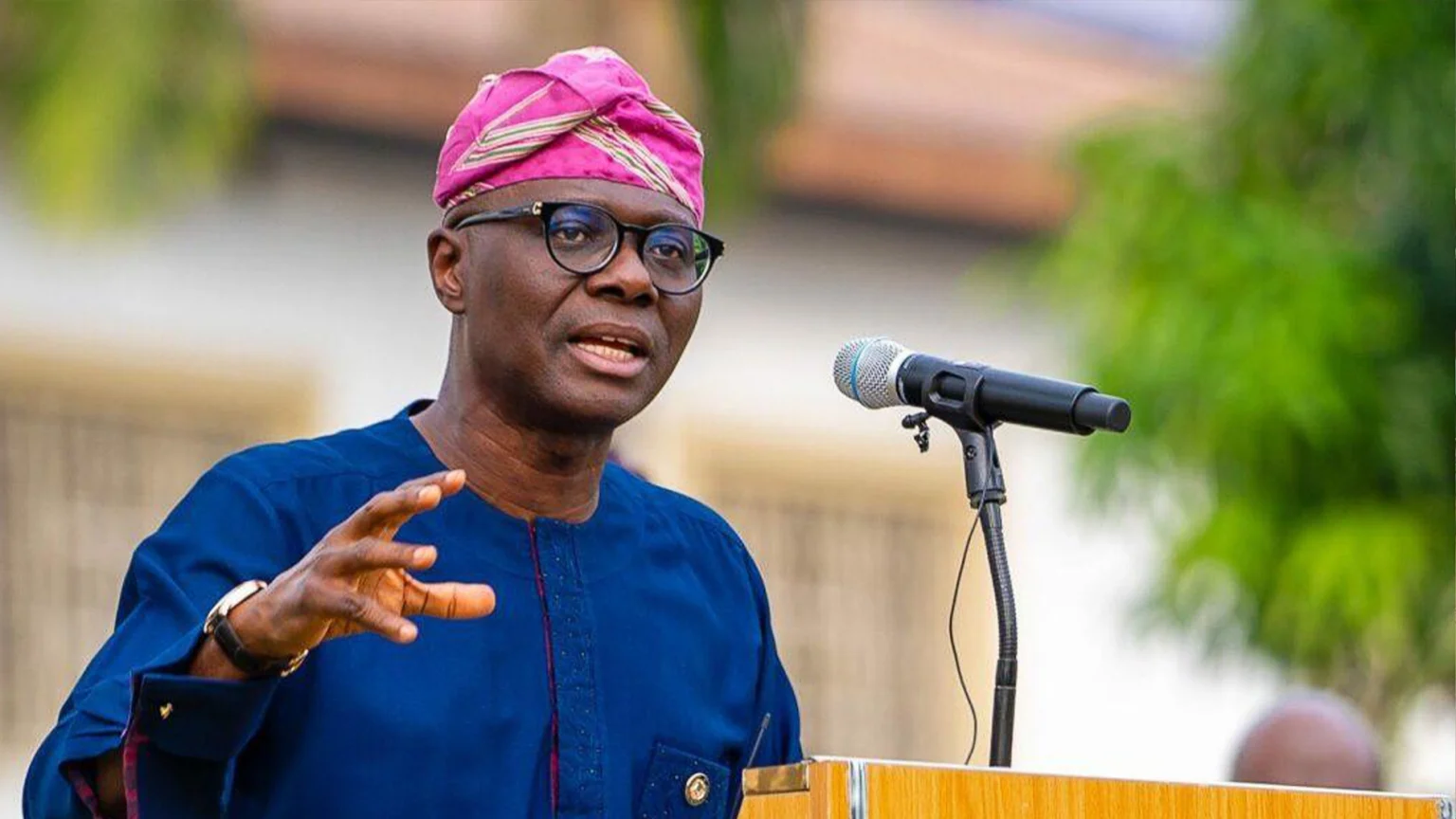
The government said the projects, executed under the administration of Governor Babajide Sanwo-Olu, are aimed at improving mobility, boosting economic productivity and supporting the needs of the state’s growing population.
Speaking during the 2026 Ministerial Press Briefing in Alausa, the Special Adviser to the Governor on Infrastructure, Engr. Olufemi Daramola, said the state completed an additional 130 roads spanning approximately 113 kilometres within the last year.
According to him, key projects delivered during the period include the Opebi-Mende Link Bridge and approach roads, Babajide Sanwo-Olu Road in Agege, Abaranje Road in Alimosho, as well as several roads in Badagry and Ikorodu.
Daramola added that a number of major projects have been completed and are awaiting commissioning. These include sections of the Eti-Osa-Lekki-Epe Expressway corridor, Gberigbe Road in Ikorodu, Aka-Kemberi Road in Ojo, Ijegun-Ijagemo Road and Akesan-Igando Road in Alimosho.
He said other strategic road projects, including the Igbogbo-Bola Ahmed Tinubu-Igbe Road, Agric-Isawo-Konu-Arepo Road and the Lagos-Badagry carriageway, are at advanced stages and will soon be commissioned.
Daramola noted that the administration remains committed to constructing resilient infrastructure capable of supporting the state’s economic growth and improving residents’ quality of life.
Also speaking, the Special Adviser to the Governor on Works, Dr. Adekunle Olayinka, said the government had continued to pursue an infrastructure-led development strategy to address existing deficits and drive sustainable growth.
He said work was ongoing on major public projects, including the Bola Ahmed Tinubu Administrative Complex and Revenue House in Alausa, which are expected to improve public service efficiency.
Olayinka disclosed that the state was also making significant investments in healthcare infrastructure, including the construction of a 280-bed General Hospital in Ojo, a 150-bed Massey Children’s Hospital and a 1,500-bed Psychiatric Hospital and Rehabilitation Centre in Ketu-Ejinrin.
According to him, the projects are expected to improve access to healthcare services while creating employment opportunities. He noted that the Ojo General Hospital project has generated about 600 jobs, while the Massey Children’s Hospital project has created approximately 750 jobs.
In the justice sector, Olayinka highlighted the commissioning of the Commercial Court at Tapa on Lagos Island and ongoing construction and renovation of magistrates’ courts, judges’ quarters, police facilities and mediation centres.
He added that the government has continued to invest in education infrastructure through projects at Lagos State University, Lagos State University of Education and Lagos State University of Science and Technology, alongside renovations at the Nigerian Law School, Lagos Campus.
Other projects being executed by the state include the redevelopment of the J. Randle Centre for Yoruba Culture and History, remodelling of Teslim Balogun Stadium and other sporting facilities, construction of an Elderly Care Home in Epe, fire stations, police barracks and a new Lagos State Data Centre.
Daramola further disclosed that the Lagos State Infrastructure Maintenance and Regulatory Agency facilitated the deployment of about 30,000 kilometres of fibre duct infrastructure and attracted approximately $22 million in foreign direct investment for fibre optic expansion.
He said the initiative is expected to improve broadband penetration, support smart-city development and accelerate digital inclusion across the state.
The officials, however, acknowledged challenges such as flooding, climate change, rising construction costs and infrastructure vandalism, stressing that the government remains committed to delivering sustainable infrastructure to meet the demands of Lagos’ growing population.