Tinubu Reacts As CNG Buses Cut Abuja Transport Fares By N1,000
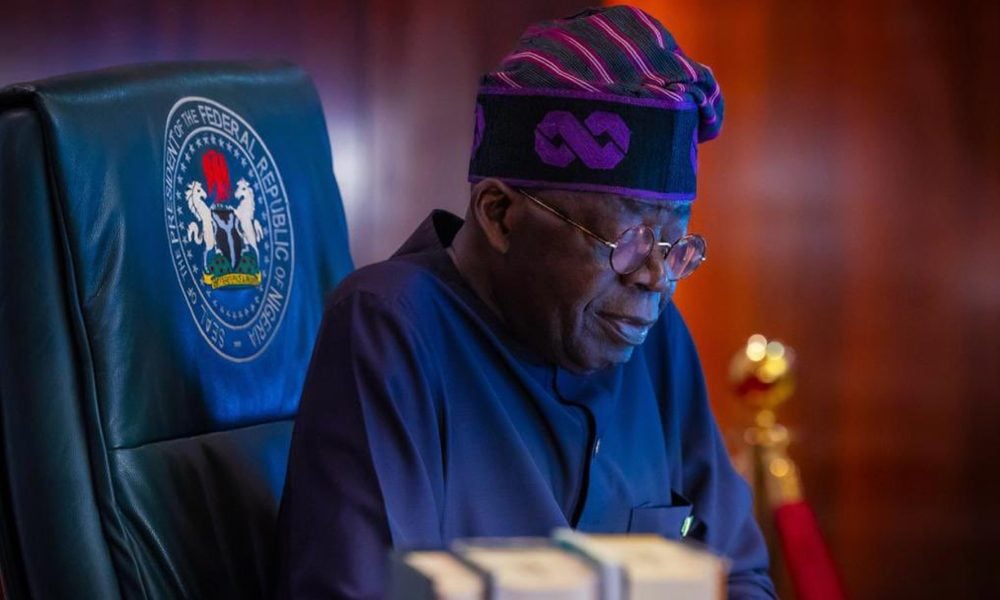
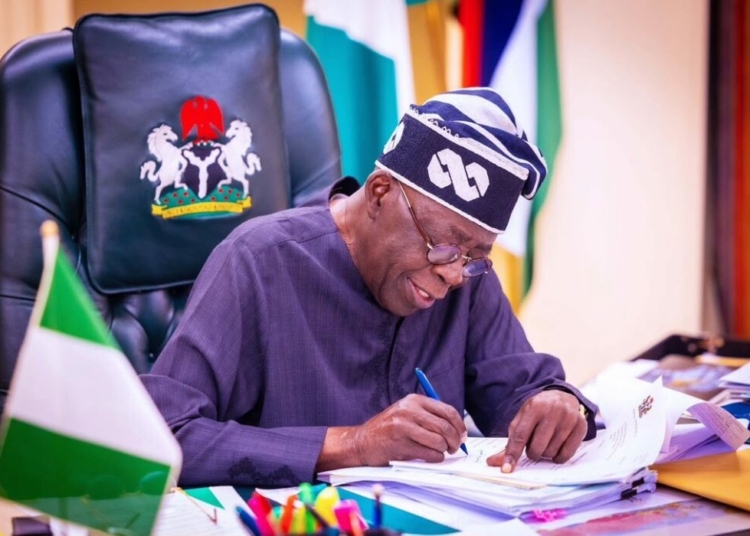
President Bola Ahmed Tinubu has welcomed reports of a significant reduction in transportation fares in parts of the Federal Capital Territory (FCT), following the introduction of Compressed Natural Gas (CNG)-powered buses under the Federal Government’s affordable transport initiative.
Some commuters travelling from Masaka to Berger in Abuja reportedly said fares had dropped from N1,500 to N500, representing a reduction of N1,000.
The development was highlighted in a viral video released as part of the Federal Government’s National Affordable CNG Transport Programme, implemented in collaboration with the Nigeria Governors’ Forum.
Reacting to the reports in a post on his official X account on Sunday, Tinubu acknowledged the financial relief the reduction could provide to households grappling with rising living costs.
“I know what that means when you have a family to feed, bills to pay and other responsibilities waiting at home,” the President said.
However, the reported fare reduction has generated mixed reactions on social media, with some Nigerians commending the initiative while others questioned its accessibility and effectiveness.
Checks by DAILY POST showed that fares on CNG-powered buses operating from Berger to Nyanya Junction stood at N500. However, the buses were reportedly scarce, forcing many commuters to rely on other commercial transport services.
The limited availability of the buses has raised concerns about whether the initiative can deliver widespread relief to commuters across the FCT.
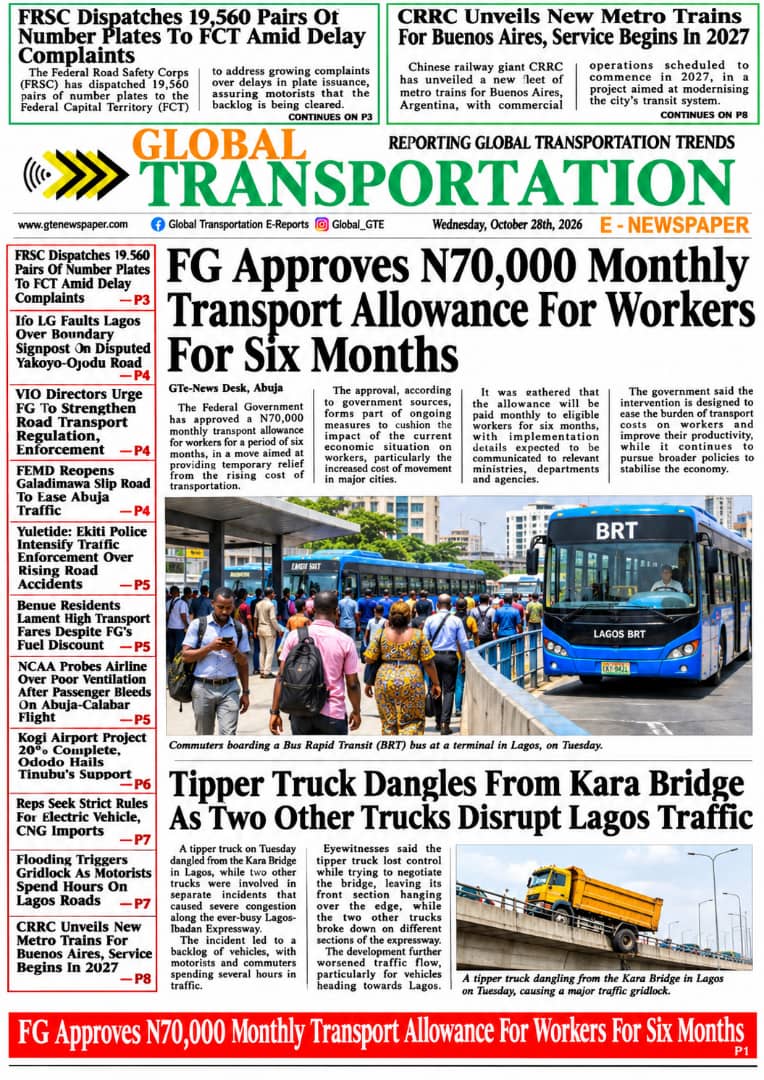
Tinubu had earlier promised that Nigerians would begin to experience cheaper transportation fares from October 1, 2026, through the government’s CNG initiative.
Despite the promise, many Nigerians are yet to experience the anticipated reduction in transport costs, as the availability of affordable alternatives remains a challenge in several areas.
The development comes amid ongoing discussions over the Federal Government’s proposed 30-day fuel discount at the Nigerian National Petroleum Company Limited (NNPCL), another measure expected to ease the financial burden on Nigerians.
The effectiveness of the CNG programme will largely depend on the availability of buses, the expansion of routes and the extent to which the reduced fares can be sustained and extended to more commuters.