FG Unveils Rail Expansion, High-Speed Connectivity Plans
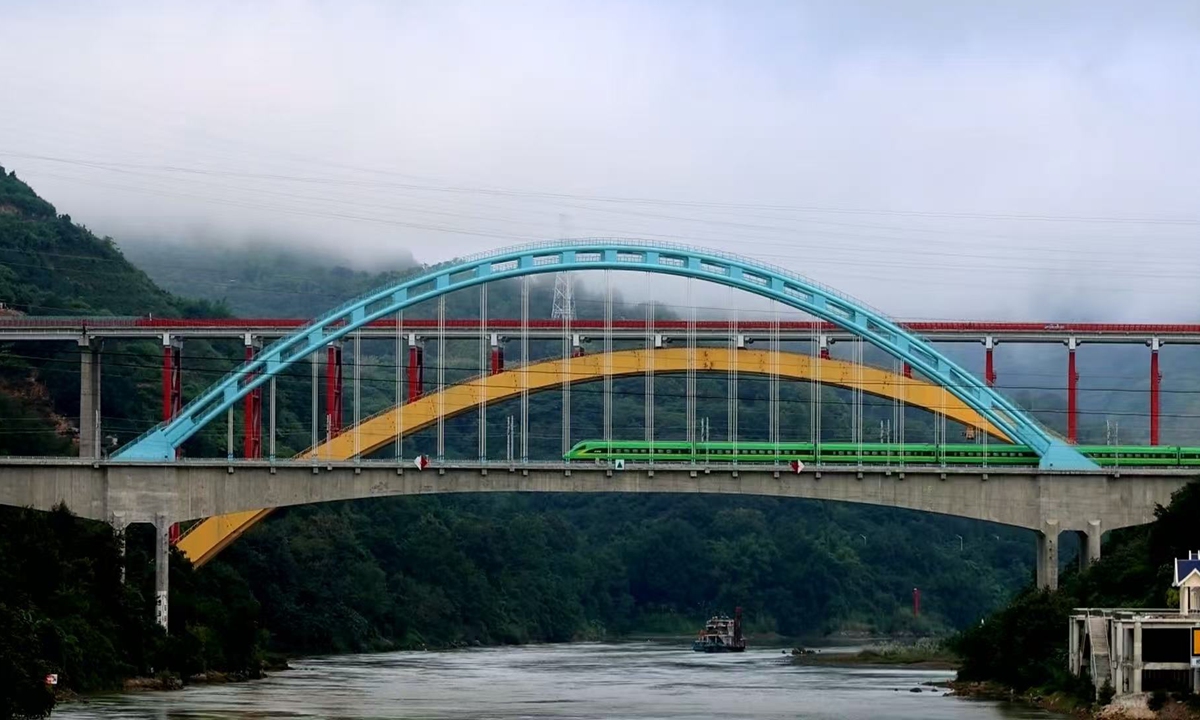
The Federal Government has unveiled plans to expand Nigeria’s rail network and develop high-speed rail connections as part of efforts to build a more integrated and efficient national transportation system.
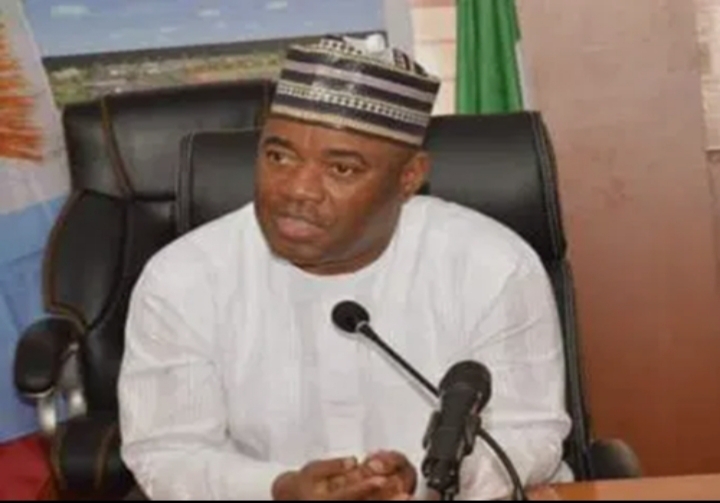
The Permanent Secretary, Federal Ministry of Transportation, Engr. Olufunso Adebiyi, disclosed this on Monday at the opening of the 19th National Council on Transportation.
Speaking on the theme, “Developing an Effective Transport System for Nigeria: The Role of Integrated Transportation,” Adebiyi said the government was taking deliberate steps to reduce the country’s overdependence on road transportation by strengthening rail, water and air transport infrastructure.
He described the ongoing development of the railway system as a “rebirth” of rail transportation in Nigeria, recalling the period when the Nigerian Railway Corporation was regarded as one of the country’s most respected institutions.
According to him, several rail corridors are already completed and operational, including the Port Harcourt–Aba, Warri–Itakpe, Lagos–Ibadan and Abuja–Kaduna routes.
He added that work was progressing on other corridors across the country, with the Kaduna–Zaria–Kano line nearing completion and expected to commence operations by December.
Adebiyi also disclosed that work was advancing on the Kaduna–Daura–Katsina axis, while the Katsina–Jibia–Maradi connection was expected to be completed the following year. Work is also ongoing on the Kano–Dutse corridor.
Beyond rail development, the Federal Government is planning the establishment of a Smart National Transport Data Bank and the standardisation of bus terminals across the country.
In his address, delivered by the Head of the Civil Service of the Federation, Abel Enitan, the government stressed the need to complement infrastructure development with effective institutions, regulation, reliable data, innovation and a skilled workforce.
Enitan described transportation as the “lifeblood of the modern economy,” noting that an efficient system would improve access to markets, facilitate trade and investment, reduce logistics costs and strengthen the competitiveness of Nigerian businesses.
He called for stronger coordination between the federal and state governments, as well as greater collaboration among transport agencies and other stakeholders.
The Head of Service urged participants at the four-day council meeting to focus on practical outcomes, stressing that the success of the gathering should be measured by how effectively its resolutions translate into policies, programmes and reforms that improve transportation services for Nigerians.
The 19th National Council on Transportation brings together representatives of the federal and state governments, transport agencies, industry stakeholders, development partners and other key players to deliberate on the future of the sector.
The council is expected to examine challenges confronting Nigeria’s transportation system and develop strategies towards achieving a more efficient, affordable, accessible, safe, sustainable and integrated transport network.