Abuja Residents Turn To Light Rail As Rising Fuel Costs Drive Demand
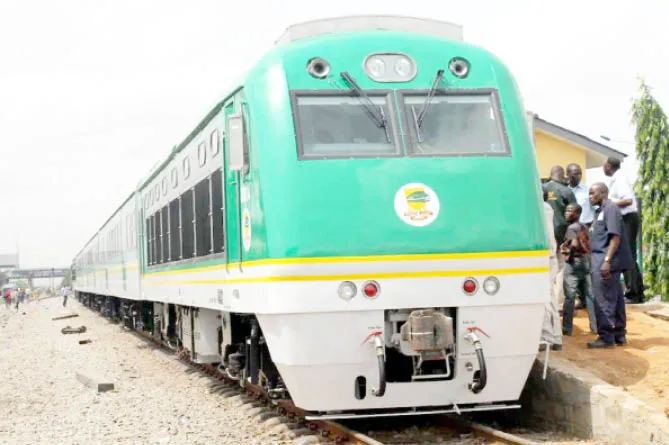
As rising petrol prices continue to push up transportation costs, more residents of the Federal Capital Territory (FCT) are embracing the Abuja Light Rail as an affordable, faster and more reliable alternative to road travel.
The rail service, commissioned by President Bola Ahmed Tinubu on May 27, 2024, has witnessed growing patronage from workers, business owners and travellers seeking to reduce commuting expenses amid increasing fuel prices.
Operated by the Federal Capital Territory Administration (FCTA), the Abuja Light Rail currently runs along the Yellow Line, linking the Abuja Metro Station in the city centre with the Nnamdi Azikiwe International Airport through Kukwaba 1, Kukwaba 2, Wupa, Idu and Bassanjiwa. The journey takes approximately 20 minutes, offering commuters a quicker option compared to road transport, particularly during peak traffic hours.
To encourage public use after its inauguration, FCT Minister Nyesom Wike approved free rides for commuters during the first two months of operations.
Passengers who spoke on the service described it as a cost-effective and convenient means of transportation. They noted that the rail system currently operates four daily trips at 8:00 a.m., 10:00 a.m., 3:30 p.m. and 5:30 p.m., with more than 600 passengers using the service during peak periods.
A commuter, Zachariah Asimiyu, said the light rail had significantly reduced his transportation costs while helping him avoid traffic congestion.
Another passenger, Saheed Salau, said he now relies less on his private vehicle because rail transport is more economical, safer and more comfortable, especially with the recent rise in petrol prices.
Farouq Ibrahim also commended the service for its reliability and punctuality, urging more residents to take advantage of the rail system.
A railway engineer, who requested anonymity because he was not authorised to speak publicly, said the Abuja Light Rail has maintained a strong safety record since commercial operations began. He attributed the absence of derailments to routine maintenance and continuous technical support provided by the Chinese operators managing the system.
First-time users also described their journeys as smooth and comfortable, expressing willingness to use the service again.
Despite the increasing patronage, commuters called on the FCTA to increase the number of daily trips, particularly during rush hours, to meet growing demand.
Responding to the concerns, the Senior Special Assistant on Public Communications and Social Media to the FCT Minister, Lere Olayinka, said the current timetable remains adequate but assured residents that the administration would continue to monitor passenger demand and improve services where necessary.
Many residents believe that expanding the Abuja Light Rail service will not only ease the burden of rising transport costs but also help reduce road congestion and support a more sustainable urban transport system in the nation’s capital.