Kaduna To Deploy 120 CNG Buses On 24km BRT Corridor, Target 20,000 Jobs
The Kaduna State Government is set to introduce 120 Compressed Natural Gas (CNG)-powered articulated buses on a 24-kilometre Bus Rapid Transit (BRT) corridor as part of efforts to reduce traffic congestion, create employment and promote cleaner transportation in the state.
The project, which will be Kaduna State’s first BRT system and the second of its kind in Nigeria after Lagos, is expected to provide commuters with a faster, more affordable and environmentally friendly mass transit option.
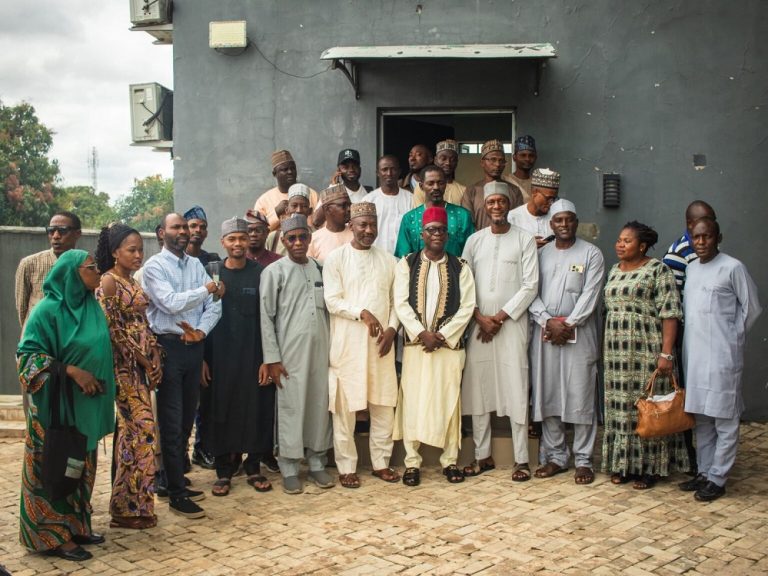
Acting Director-General of the Kaduna State Transport Regulatory Authority (KADSTRA), Inuwa Ibrahim, disclosed this during a one-day media engagement on the proposed BRT project in Kaduna.
Ibrahim said the government had concluded the planning and design stages of the project and was preparing to commence implementation.
According to him, the BRT corridor is expected to create between 10,000 and 20,000 jobs, particularly in areas such as driving, vehicle maintenance, operations and other support services.
“We are expecting to have about 10 to 20,000 jobs just for this BRT corridor of just 24 kilometres,” he said.
He explained that the deployment of 120 articulated buses, alongside dedicated bus lanes, modern bus stops, shelters and terminals, would stimulate economic activities along the corridor while improving transportation efficiency.
Ibrahim also highlighted the environmental and economic benefits of using CNG-powered buses, describing the fuel as cheaper and cleaner than conventional alternatives.
He said the adoption of CNG would help lower transportation costs for commuters while reducing carbon emissions and contributing to a cleaner urban environment.
An engineering consultant on the project, Idris Akinremi, said the BRT system was designed to address traffic congestion by providing an efficient mass transit alternative capable of encouraging motorists to leave their private vehicles at home.
According to him, the project would improve the efficiency of existing roads without requiring extensive road expansion or widespread demolition of properties.
Akinremi said about 80 per cent of the proposed corridor would retain existing carriageways, with the BRT infrastructure integrated into the current road network.
He explained that technical and social assessments carried out during the planning process showed that demolishing properties to create additional lanes in restricted areas would not be economically justified.
The consultant further noted that expanding roads alone was not a sustainable solution to congestion, as wider roads could eventually become saturated when more private vehicles were introduced.
He cited Abuja as an example, noting that despite having wide roads, the Federal Capital Territory still experiences significant traffic congestion.
Akinremi said an effective mass transit system would move a large number of commuters without requiring a corresponding increase in road space.
He added that the first section of the Kaduna BRT corridor was expected to cover about 17 kilometres, subject to the completion of the final design.
The project, officials said, is expected to combine modern mass transportation, cleaner energy and large-scale employment opportunities as Kaduna seeks to improve urban mobility and ease pressure on its road network.