Lagos To Finance Fourth Mainland Bridge Through Public-Private Partnership – Hamzat
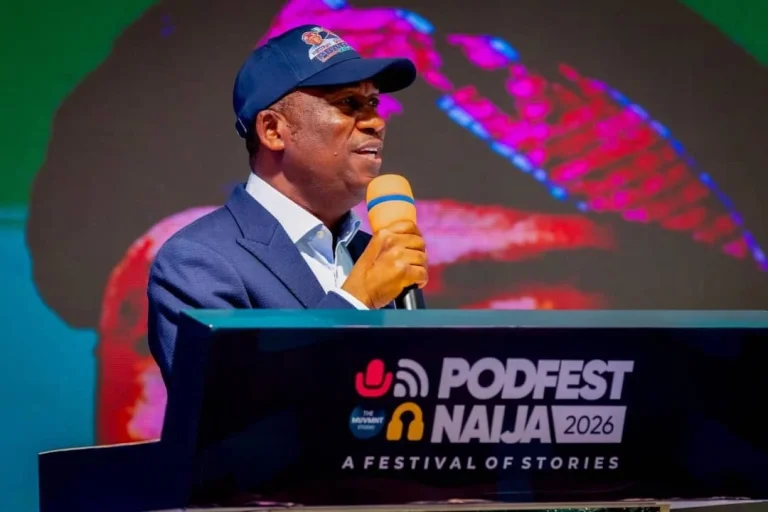
Lagos State Deputy Governor and All Progressives Congress governorship candidate, Obafemi Hamzat, has said the state government will rely on a public-private partnership (PPP) arrangement to finance the proposed Fourth Mainland Bridge, citing the enormous cost of the project and other ongoing infrastructure investments.
Hamzat disclosed this during an interview on Lagos Television on Tuesday, explaining that the state could not independently fund the bridge while simultaneously financing major rail projects without putting considerable pressure on its finances.
He reaffirmed the government’s commitment to delivering the long-awaited infrastructure project, noting that discussions were ongoing with prospective investors from Portugal, China and other countries.
According to him, the bridge has been designed and its cost assessed, while private-sector professionals have been engaged to support negotiations and other aspects of the project’s development.
Hamzat described the Fourth Mainland Bridge as a critical infrastructure investment but maintained that financing it entirely through government funds or borrowing would not be a sustainable approach.
“The Fourth Mainland Bridge is a fantastic project that we must build, but we cannot fund it on our balance sheet and fund rail at the same time. They are both monster projects, so we’ve been talking to investors,” he said.
He explained that the government preferred a partnership-based financing model to avoid excessive borrowing, which could place additional pressure on the state’s finances and limit its capacity to undertake other development projects.
The deputy governor also identified toll collection as a major consideration in attracting private investors, stressing that investors would require a reliable mechanism for recovering their investments and generating returns.
He noted that the discontinuation of toll collection on some roads could discourage potential investors, who depend on revenue from infrastructure projects to recoup their investments.
“When we pay tolls on our road, and we stop it, investors are not going to come. How do they get their money? Return on investments. How will they get it?” Hamzat asked.
He added that some prospective investors had raised concerns about road users’ reluctance to pay tolls, making it necessary for the government to address such issues before finalising financing arrangements.
Hamzat said the state government was presenting traffic data and other relevant information to demonstrate the commercial viability of the project and the growing demand for improved transportation infrastructure across Lagos.
He stressed that building investors’ confidence would be essential to securing the funding required to execute the bridge and ensure its long-term sustainability.
The proposed Fourth Mainland Bridge is expected to improve connectivity across Lagos, provide an alternative route for commuters and ease congestion on existing roads. Its delivery is regarded as a major component of efforts to expand the state’s transportation network and accommodate its growing population.