
Nigerians Await Transport Fare Cuts As Tinubu’s October 1 Deadline Passes
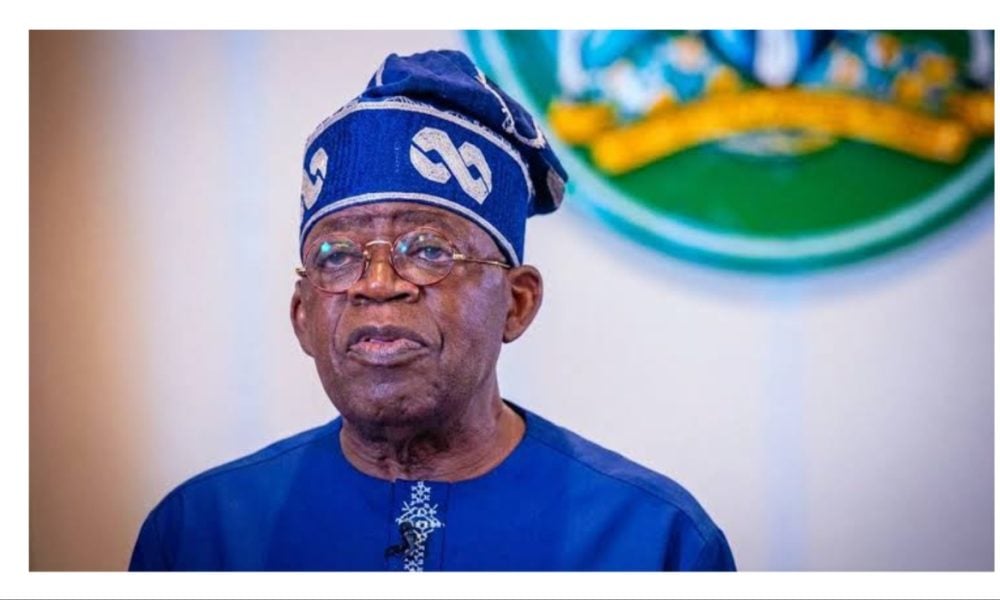
Nigerians are still awaiting a nationwide reduction in transportation fares promised by President Bola Tinubu, as the October 1 deadline has passed with limited evidence of the expected relief across the country.
Tinubu had, during a meeting with state governors on August 27, expressed optimism that commuters would begin to experience significant reductions in transportation costs from October 1 through the Federal Government’s National Affordable CNG Transit Programme.
The initiative, implemented under the Presidential Initiative on Compressed Natural Gas and Electric Vehicles (Pi-CNG & EV), is designed to lower transportation costs by promoting the use of compressed natural gas (CNG) and electric vehicles.
As part of the plan, the President also directed the deployment of an additional 500 CNG refuelling stations nationwide to improve access to alternative fuel and reduce the cost of public transportation.
However, as of October 6, transportation costs remain high in many parts of the country, raising concerns over the implementation of the promised intervention.
Efforts by DAILY POST to obtain clarification from presidential spokesperson Sunday Dare on Monday were unsuccessful, as he had yet to respond at the time of filing this report.
Meanwhile, former Vice President Atiku Abubakar, a leading figure in the African Democratic Congress (ADC), has questioned the Tinubu administration over the promised reduction in transport fares.
In response to the concerns, the Executive Chairman of Pi-CNG & EV, Ismaeel Ahmed, maintained that the initiative had started producing results on some routes.
Ahmed, who spoke on September 30, cited the Gwagwalada-Abuja route, where he said commuters using CNG-powered buses could pay about 40 per cent less than passengers relying on conventional commercial transportation.
Despite the Federal Government’s ongoing implementation of the CNG initiative across several states, the impact on overall transportation costs remains limited.
The continued pressure on commuters comes amid elevated fuel prices, with petrol selling between N1,370 and N1,410 per litre in Abuja and its environs. Diesel prices have also remained high, ranging from N1,940 to N2,000 per litre, depending on the location.
Although petrol prices have declined by between N20 and N25 per litre, the prevailing rates continue to place a significant burden on transport operators and commuters.
The report also noted that international crude oil prices stood at approximately $100 per barrel for Brent crude and $89 for West Texas Intermediate (WTI), adding to concerns over the cost of energy and transportation.
Reacting to the development, the Country Director of Transparency International Nigeria, Auwal Rafsanjani, blamed the situation on weak public accountability and the failure of government officials to fulfil their promises.
Rafsanjani said public officials frequently make announcements without putting the necessary mechanisms in place to ensure effective implementation.
He argued that such practices had continued to undermine public confidence in government, leaving Nigerians increasingly sceptical of official commitments.
According to him, the situation mirrors the challenges that followed the removal of the petrol subsidy, when adequate measures to cushion the impact on citizens were not established before the policy was announced.
Rafsanjani said the failure to deliver on the promised transport fare reductions had raised public expectations without providing the anticipated relief.
He urged government officials to ensure that the necessary implementation plans are in place before making public commitments, stressing that announcements should be backed by concrete action.
The delay in delivering the promised fare reductions has intensified concerns over the pace of the Federal Government’s efforts to ease the rising cost of living, particularly for Nigerians who depend on public transportation for their daily activities.